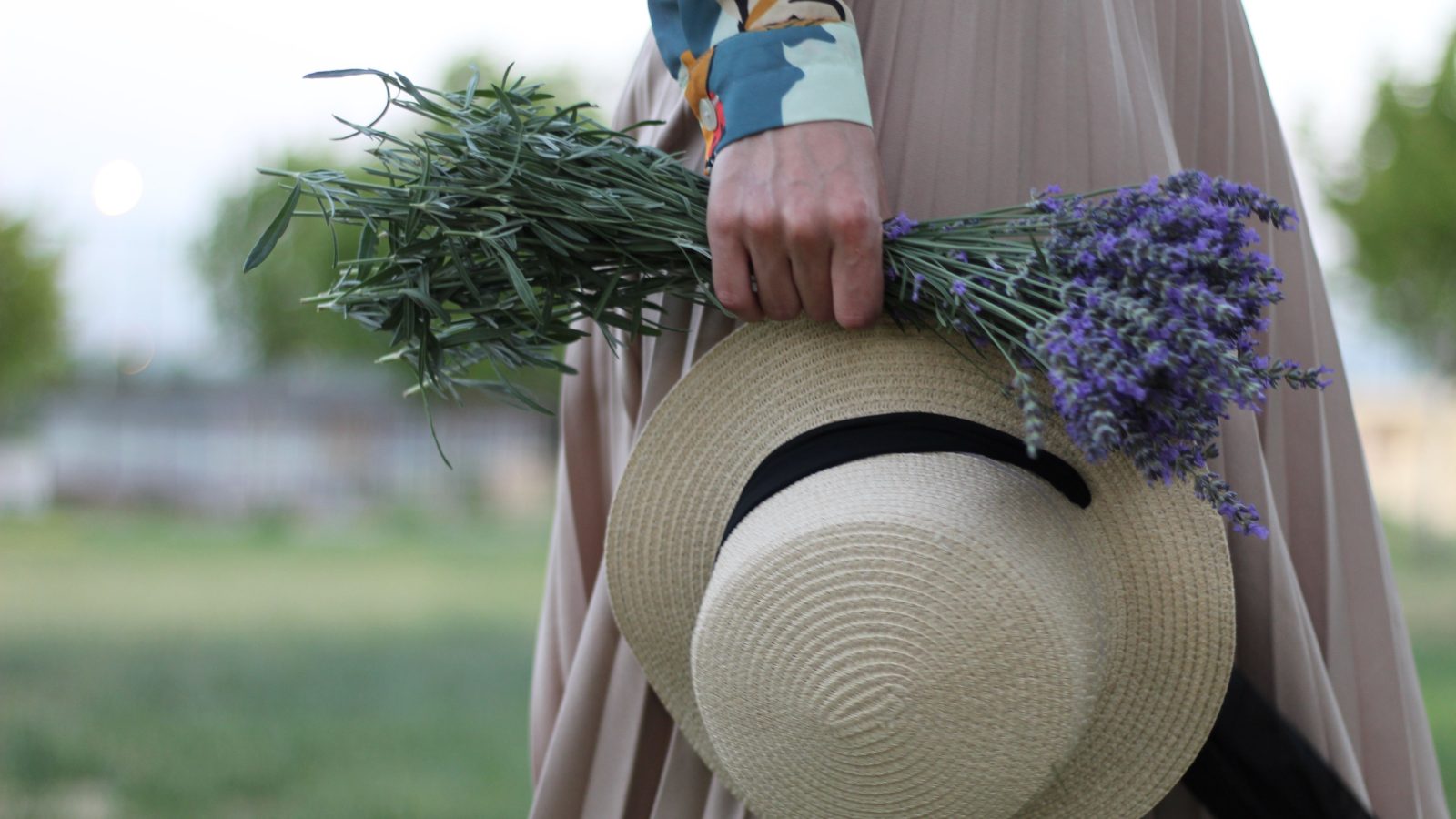
Few botanical ingredients have become as culturally familiar as lavender (Lavandula angustifolia Mill.), yet few are as widely misunderstood. Best known for its distinctive fragrance and long association with relaxation, lavender has also become one of the most extensively studied aromatic plants used in cosmetics, perfumery and complementary medicine.
This monograph examines lavender through the lens of modern botanical science. Drawing upon historical sources, cosmetic chemistry, peer-reviewed research and current regulatory guidance, it explores the plant’s taxonomy, cultivation, chemical composition, traditional uses, evidence for skincare and haircare, safety profile, sustainability and place within contemporary cosmetic formulation.
The available evidence suggests that lavender is neither the miracle ingredient often portrayed in marketing nor merely a pleasant fragrance. Instead, it represents a well-characterised botanical ingredient with modest but scientifically plausible benefits, particularly in fragrance, sensory formulation, skin comfort and complementary cosmetic applications. Equally important are its limitations, including the potential for fragrance sensitisation and the need to distinguish laboratory findings from clinically meaningful outcomes.
Rather than promoting exaggerated claims, this review aims to provide an objective, evidence-informed assessment suitable for skincare professionals, formulators, students and informed consumers.
As the inaugural publication in the Botanicals & Company Ingredient Library, this monograph establishes the editorial principles that will guide every volume that follows: careful scholarship, transparent evidence, botanical accuracy and intellectual honesty.
Scientific Summary
| Botanical Name | Lavandula angustifolia Mill. |
| Common Names | English Lavender, True Lavender, Common Lavender |
| Family | Lamiaceae |
| Native Range | Mediterranean Basin |
| Plant Type | Evergreen aromatic shrub |
| Main Ingredient Forms | Essential oil, hydrosol, dried flowers, extract, CO₂ extract |
| Principal Constituents | Linalool, linalyl acetate, lavandulol, terpinen-4-ol, β-caryophyllene |
| Principal Cosmetic Uses | Fragrance, skin conditioning, aromatherapy |
| Traditional Uses | Perfumery, bathing, herbal preparations, linen fragrance |
| Evidence Quality | Moderate for fragrance and aromatherapy; limited to moderate for cosmetic skin benefits |
| Conservation Status | Not threatened, although regional biodiversity and cultivation practices remain important |
Lavender: More Familiar Than Understood
Few botanical ingredients are as instantly recognisable as lavender.
Its unmistakable scent drifts from cottage gardens across southern England, perfumes soaps and candles, and has become almost synonymous with relaxation. For many people, lavender is less an ingredient than a feeling—a fragrance associated with freshly washed linen, summer evenings and quiet domestic rituals.
Yet familiarity has a curious way of concealing complexity.
Mention lavender in conversation and most people imagine a single plant producing a single oil with a well-defined set of benefits. The reality is considerably more nuanced. “Lavender” encompasses several closely related species and hybrids, each possessing its own chemical profile, cultivation requirements and commercial applications. A bottle labelled simply lavender oil tells only part of the story. Whether that oil originates from Lavandula angustifolia, Lavandula × intermedia or another species can profoundly influence its fragrance, composition and suitability for cosmetic use.
This distinction matters because modern botanical skincare increasingly sits at the intersection of traditional herbal knowledge and analytical chemistry. Consumers rightly ask not only whether an ingredient works, but why. Which molecules are responsible for its aroma? What evidence supports its inclusion in a formulation? Where does tradition end and scientific understanding begin?
Lavender offers an ideal case study.
It is one of the world’s most extensively cultivated aromatic plants and among the most intensively researched essential oils. Hundreds of scientific publications have explored its chemistry, antimicrobial activity, neurological effects and potential applications in dermatology. At the same time, it remains surrounded by persistent myths, many of which owe more to marketing than to evidence.
The purpose of this monograph is neither to celebrate nor to dismiss lavender. Instead, it aims to understand it.
Throughout this article we distinguish carefully between historical practice, laboratory research, animal studies and human clinical evidence. Where robust evidence exists, it deserves to be recognised. Where uncertainty remains, it deserves equal acknowledgement. Such distinctions are essential if botanical skincare is to mature beyond anecdote into an evidence-informed discipline.
Approached in this way, lavender becomes far more interesting than its reputation suggests. It is no longer merely the scent of a summer garden, but a remarkable example of how centuries of cultivation, advances in botanical taxonomy and modern analytical science converge within a single medicinal and cosmetic plant.
As the first entry in the Botanicals & Company Ingredient Library, lavender establishes an important principle that will guide every monograph that follows: botanical ingredients should be understood not through marketing claims, but through history, chemistry, evidence and thoughtful observation.
Botanical Identity
More Than One Lavender
The word lavender is deceptively simple. In everyday conversation it refers to a familiar purple-flowered plant with an unmistakable fragrance, yet from a botanical and commercial perspective the term encompasses several distinct species and naturally occurring hybrids within the genus Lavandula. These plants may appear similar to the casual observer, but they differ markedly in their chemistry, aroma, cultivation and suitability for cosmetic, therapeutic and perfumery applications.
This distinction is more than academic. A cosmetic formulation containing essential oil from Lavandula angustifolia will not possess precisely the same aromatic profile or chemical composition as one formulated with Lavandula × intermedia (lavandin), despite both often being marketed simply as “lavender”. Understanding which species is being discussed is therefore the first step towards understanding the ingredient itself.
Throughout this monograph, unless otherwise stated, the term lavender refers specifically to Lavandula angustifolia Mill., commonly known as English lavender, true lavender or common lavender.
Botanical Classification
| Rank | Classification |
| Kingdom | Plantae |
| Clade | Angiosperms |
| Clade | Eudicots |
| Order | Lamiales |
| Family | Lamiaceae |
| Genus | Lavandula |
| Species | Lavandula angustifolia Mill. |
The family Lamiaceae, formerly known as the Labiatae, contains more than 7,000 recognised species and includes many of the world’s best-known aromatic herbs. Rosemary (Salvia rosmarinus), peppermint (Mentha × piperita), sage (Salvia officinalis), thyme (Thymus vulgaris), basil (Ocimum basilicum) and oregano (Origanum vulgare) all belong to this family and share several botanical characteristics. Most possess square stems, opposite leaves and specialised glandular trichomes capable of producing volatile aromatic compounds.
These microscopic oil glands are responsible for the essential oils that have made the Lamiaceae economically and culturally significant for thousands of years.
Native Habitat
Despite its common name, English lavender is not native to England.
Lavandula angustifolia evolved across the western Mediterranean Basin, where it grows naturally on dry, rocky hillsides from north-eastern Spain through southern France and into north-western Italy. Wild populations are particularly associated with limestone soils, well-drained mountain slopes and regions characterised by hot, dry summers and relatively mild winters.
Many natural populations occur at elevations between 600 and 1,500 metres above sea level. These higher altitudes are more than a geographical curiosity; they influence the plant’s physiology and, consequently, the chemistry of its essential oil. Slower growth, greater temperature variation and increased ultraviolet exposure can alter the relative proportions of volatile compounds such as linalool and linalyl acetate, contributing to subtle differences in fragrance between regions.
This relationship between geography and chemistry is analogous to the concept of terroir in viticulture. Just as soil, climate and elevation influence the flavour of wine grapes, they also shape the aromatic profile of lavender.
From Mediterranean Shrub to English Icon
Although not indigenous to Britain, lavender has become deeply embedded within English horticultural tradition.
Historical records suggest that lavender was introduced to Britain by the Romans, who valued aromatic herbs for bathing, perfumery and household use. Whether the Romans cultivated lavender extensively remains uncertain, but by the medieval period it had become firmly established within monastic physic gardens, where medicinal herbs were cultivated for both practical and spiritual purposes.
Its popularity expanded considerably during the Tudor and Elizabethan periods. Lavender was scattered across floors to release fragrance underfoot, incorporated into herbal strewing mixtures intended to freshen domestic interiors and used in linen cupboards to perfume clothing while discouraging insect pests.
The nineteenth century witnessed the emergence of commercial lavender cultivation in southern England, particularly in Surrey. The village of Mitcham became internationally recognised for producing exceptionally high-quality lavender oil, benefiting from favourable soils and a climate well suited to the crop. At its peak, hundreds of hectares were devoted to lavender production, supplying perfumers throughout Europe. Although much of this agricultural landscape has since disappeared beneath London’s suburban expansion, English lavender remains an enduring symbol of the British cottage garden.
Today, commercial cultivation continues across parts of England, notably in Norfolk, Kent and the Cotswolds, where lavender fields have become both agricultural enterprises and cultural landmarks.
The Lavender Most People Never Notice
One of the most significant misconceptions surrounding lavender is the assumption that all commercially available lavender oil originates from Lavandula angustifolia. In reality, a substantial proportion of the world’s lavender oil production derives from lavandin (Lavandula × intermedia), a naturally occurring hybrid between true lavender (L. angustifolia) and spike lavender (L. latifolia).
Lavandin is cultivated extensively because it offers practical advantages. It grows more vigorously, produces significantly higher yields of essential oil and is generally more economical to cultivate. These characteristics make it particularly attractive for large-scale applications such as detergents, household cleaners and fragranced consumer products.
Chemically, however, lavandin differs in important respects. It typically contains higher concentrations of camphor and 1,8-cineole, resulting in a sharper, more herbaceous and slightly medicinal aroma than the softer, sweeter fragrance associated with true lavender. While these differences may seem subtle, they are readily apparent to experienced perfumers and aromatherapists and can influence the sensory character of finished cosmetic formulations.
Understanding this distinction enables consumers to interpret ingredient lists more critically. A product labelled simply as “lavender oil” provides less information than one identifying the botanical species, and reputable manufacturers increasingly specify the Latin binomial to support transparency and traceability.
A Plant Built for Survival
The appearance of Lavandula angustifolia reflects the environmental pressures under which it evolved. Mature plants typically form compact evergreen shrubs reaching between 30 and 90 centimetres in height. Their narrow, silvery-grey leaves are covered with fine hairs that reduce water loss by reflecting sunlight and limiting transpiration. During the flowering season, slender stems bear dense spikes of violet-blue flowers rich in nectar, making lavender an important forage plant for bees, butterflies and other pollinating insects.
The plant’s fragrance, so appealing to humans, serves a different purpose in nature. Its volatile compounds help deter herbivorous insects, reduce microbial attack and protect delicate reproductive tissues from environmental stress. These same secondary metabolites—particularly monoterpenes and their oxygenated derivatives—form the basis of lavender’s commercial value in perfumery, aromatherapy and cosmetic science.
Rather than producing fragrance for our enjoyment, lavender synthesises these compounds as part of an intricate ecological strategy that has evolved over millions of years. Human appreciation of its scent is, in many respects, an incidental consequence of the plant’s own survival.
History & Traditional Uses
Few aromatic plants have accompanied human civilisation for as long, or as consistently, as lavender. Although modern consumers often associate it with soaps, scented candles and bedtime rituals, its relationship with people stretches back over two thousand years and reflects changing ideas about hygiene, medicine, fragrance and domestic life.
Unlike many medicinal plants whose historical uses are poorly documented, lavender appears repeatedly throughout European history. From Roman bathing customs to medieval monastic gardens and the perfume houses of nineteenth-century France, it has occupied an unusually continuous place within Western botanical culture.
The Ancient Mediterranean
The exact origins of lavender’s cultivation remain uncertain. Wild populations of Lavandula angustifolia are indigenous to the mountainous regions surrounding the western Mediterranean, where the plant thrives on dry limestone slopes exposed to abundant sunshine. Archaeological evidence suggests that aromatic members of the genus Lavandula were already valued in the ancient Mediterranean, although distinguishing individual species in historical records is often impossible.
The Romans are widely credited with popularising lavender throughout their empire. Contrary to popular belief, there is little evidence that Roman soldiers routinely carried lavender into battle or that it served as a universal medicinal herb. Its principal value appears instead to have been domestic.
Roman writers, including Pliny the Elder, described the commercial trade in aromatic herbs and perfumes, while lavandula was associated with bathing, scented oils and household fragrance. The English word lavender itself is commonly thought to derive from the Latin lavare, meaning “to wash”, reflecting the plant’s close association with bathing and cleanliness. Modern linguists, however, note that the etymology is not entirely certain, and alternative derivations from Medieval Latin have also been proposed. Nevertheless, the association between lavender and washing has endured for centuries.
The Romans valued pleasant fragrance not merely as a luxury but as an expression of refinement, hospitality and personal care. Lavender fitted naturally into this cultural landscape.
Monastic Gardens and Medieval Medicine
Following the decline of the Western Roman Empire, much botanical knowledge was preserved within monasteries. Across medieval Europe, monks cultivated physic gardens containing herbs intended for both medicinal and practical purposes.
Lavender appears regularly in surviving herbals from the Middle Ages. It was grown alongside sage, rosemary, hyssop and thyme as part of a diverse collection of aromatic plants used to prepare infusions, ointments and distilled waters. Medieval physicians generally interpreted illness through the framework of humoral medicine, and lavender was considered a warming herb capable of balancing excessive coldness and moisture within the body.
Although these theories have long since been superseded by modern physiology, they illustrate how botanical medicine was understood within its historical context rather than providing evidence of efficacy by contemporary scientific standards.
Beyond medicine, lavender became an important domestic herb. Dried flowers were sewn into linen bags, incorporated into bedding and wardrobes, and scattered across household floors where they released fragrance underfoot. Such practices served both practical and aesthetic purposes, masking unpleasant odours in an age before modern sanitation while also discouraging certain insects.
Tudor England and the Rise of Domestic Herbalism
During the Tudor period, lavender became firmly established within English gardens. Wealthier households cultivated it as both an ornamental and useful plant, while herbalists increasingly documented its preparation and application.
The English herbalist John Gerard included lavender in his influential Herball (1597), describing its cultivation and contemporary medicinal uses. A generation later, Nicholas Culpeper discussed lavender extensively in The Complete Herbal (1653), interpreting its actions through the astrological and humoral systems that dominated seventeenth-century medicine.
Today, these texts are valuable historical documents rather than clinical references. They reveal how earlier generations understood plants, but they should not be interpreted as evidence of effectiveness according to modern scientific standards.
One of lavender’s most enduring roles during this period was in the preparation of scented waters and household perfumes. Distillation techniques, gradually refined across Europe, allowed aromatic compounds to be concentrated into fragrant waters used for washing, cleaning and perfuming textiles. These preparations foreshadowed the hydrosols and essential oils widely used today.
The Birth of Commercial Lavender
By the eighteenth and nineteenth centuries, lavender had evolved from a household herb into an agricultural crop.
Southern England, particularly the district surrounding Mitcham in Surrey, became internationally recognised for producing high-quality lavender oil. Mitcham’s well-drained gravel soils and relatively dry climate proved especially favourable for cultivation, and its essential oil acquired a reputation among European perfumers for exceptional quality and consistency.
At the same time, Provence in southern France was establishing itself as one of Europe’s great centres of aromatic plant cultivation. Vast lavender fields, now synonymous with the French landscape, developed in response to the growing perfume industry centred around Grasse. Improvements in steam distillation during the nineteenth century allowed essential oils to be produced more efficiently and at greater purity than had previously been possible.
These developments transformed lavender from a local medicinal herb into an internationally traded commodity whose value depended increasingly upon chemistry, consistency and quality control.
Lavender in Traditional Medicine Around the World
Although lavender’s historical roots lie firmly within the Mediterranean and Western Europe, its cultivation has spread across much of the temperate world. Today it is grown commercially in countries including France, Bulgaria, England, Spain, Italy, Australia, New Zealand, the United States and Japan.
As cultivation expanded, lavender was incorporated into numerous traditional healthcare systems. It has been employed in European herbal medicine, aromatherapy and complementary medicine for purposes ranging from promoting relaxation to supporting minor skin conditions.
It is important, however, to distinguish between traditional use and scientific evidence. Historical longevity does not necessarily demonstrate clinical effectiveness. Many botanical practices persisted because they were culturally significant, widely available or aesthetically valued rather than because they had undergone rigorous evaluation. Modern research allows these traditions to be examined critically, confirming some longstanding observations while challenging others.
A Plant That Continues to Evolve
Lavender occupies an unusual position among botanical ingredients. Few plants have travelled so successfully from monastery gardens to modern laboratories without losing their cultural identity. It remains simultaneously a medicinal herb, an agricultural crop, a perfumery ingredient, an ornamental garden plant and an object of scientific investigation.
Its history reminds us that botanical ingredients are not static. Our understanding of lavender has evolved continuously over centuries as advances in taxonomy, chemistry, microbiology and clinical research have replaced folklore with measurable evidence. Yet despite these scientific advances, the appeal of lavender still begins where it always has—with the distinctive fragrance of a flowering plant growing beneath the Mediterranean sun.
Ingredient Forms
One of the most common misconceptions in botanical skincare is that a plant corresponds to a single cosmetic ingredient. In reality, a single species may yield numerous distinct raw materials, each possessing different chemical compositions, methods of production and cosmetic properties.
Lavender provides an excellent example. From the flowers of Lavandula angustifolia alone it is possible to produce an essential oil, a hydrosol, carbon dioxide extracts, solvent extracts, dried botanical material and powdered plant matter. Although these ingredients originate from the same species, they are neither chemically identical nor interchangeable.
Understanding these differences is essential for anyone seeking to interpret cosmetic ingredient lists or appreciate why one lavender-based formulation may differ substantially from another.
Essential Oil
Lavender essential oil is the plant’s most commercially significant ingredient and remains one of the most widely used essential oils in perfumery, aromatherapy and cosmetic formulation.
It is produced almost exclusively by steam distillation, during which freshly harvested flowering tops are exposed to steam. As the steam passes through the plant material it ruptures the glandular trichomes—microscopic oil-producing structures located primarily on the flowers and upper leaves—allowing volatile aromatic compounds to evaporate. The resulting vapour is condensed back into liquid, producing two separate fractions: essential oil and aromatic water.
The essential oil represents only a very small proportion of the harvested plant. Depending upon cultivar, climate and harvesting conditions, approximately 100–150 kilograms of flowering lavender may be required to produce a single kilogram of essential oil. Such yields help explain why genuine lavender oil remains a relatively valuable agricultural product despite the widespread cultivation of the plant.
Chemically, lavender essential oil consists predominantly of volatile terpenes and terpene esters, particularly linalool and linalyl acetate. These compounds contribute both to its characteristic floral aroma and to many of the biological activities investigated within modern research.
In cosmetic formulations, lavender essential oil is used principally as a fragrance ingredient, although it may also contribute mild skin-conditioning and deodorising properties. Because essential oils are highly concentrated mixtures of biologically active compounds, they are typically incorporated at low concentrations and should not be applied undiluted to the skin except under the guidance of appropriately qualified practitioners.
Hydrosol
Hydrosol, sometimes referred to as floral water or aromatic water, is the aqueous co-product generated during steam distillation.
Historically regarded as a secondary product, hydrosols have gained increasing attention within cosmetic science owing to their considerably lower concentration of volatile compounds and their suitability for leave-on formulations.
Lavender hydrosol contains minute quantities of water-soluble aromatic constituents together with trace amounts of dispersed essential oil. Its fragrance is softer, greener and considerably less persistent than that of the essential oil itself.
Because hydrosols contain only a fraction of the volatile constituents found in essential oils, they are generally regarded as gentler ingredients for facial mists, toners and soothing skincare preparations. Nevertheless, they remain chemically active botanical products and require appropriate preservation once bottled, as their high water content renders them susceptible to microbial contamination.
Unlike essential oils, hydrosols should not be viewed simply as diluted oils. Their chemical composition differs substantially because only certain compounds dissolve or remain suspended within the aqueous phase of distillation.
Carbon Dioxide (CO₂) Extract
Supercritical carbon dioxide extraction represents a comparatively modern approach to botanical extraction.
Rather than relying upon steam, carbon dioxide is compressed above its critical temperature and pressure, where it exhibits properties of both a gas and a liquid. In this supercritical state it becomes an exceptionally efficient solvent capable of extracting aromatic compounds while operating at considerably lower temperatures than conventional steam distillation.
For delicate botanicals this offers important advantages. Reduced thermal exposure may preserve volatile constituents that could otherwise degrade during prolonged heating.
Lavender CO₂ extracts often possess a richer, more complete aromatic profile than steam-distilled essential oils, capturing heavier molecules that contribute depth and complexity to the fragrance. As a consequence, they are valued particularly within fine perfumery and certain premium cosmetic formulations.
Commercial production remains relatively limited owing to the cost and technical complexity of supercritical extraction equipment.
Botanical Extracts
Lavender extracts prepared using glycerin, ethanol, propylene glycol or mixtures of these solvents occupy a different place within cosmetic formulation.
Whereas essential oils concentrate volatile aromatic molecules, solvent extracts recover a broader range of plant constituents, including certain phenolic compounds, flavonoids and other less volatile metabolites.
The precise composition depends upon the extraction solvent employed, extraction time, plant material and manufacturing process. Consequently, two ingredients both described simply as “lavender extract” may differ considerably in chemical profile.
These extracts are commonly incorporated into creams, lotions, cleansers and serums, where they may contribute botanical character alongside antioxidant or skin-conditioning functions.
Because manufacturing processes vary widely between suppliers, formulators often rely upon detailed technical specifications and chromatographic analyses rather than assuming equivalence between products.
Dried Flowers
Long before essential oils became commercially available, dried lavender flowers represented the plant’s principal harvested product.
The flowers retain much of their characteristic fragrance owing to residual essential oil contained within the glandular structures surrounding the floral tissues. Traditionally they have been incorporated into linen sachets, potpourri, herbal preparations and aromatic bathing mixtures.
Within contemporary cosmetics, whole flowers appear primarily as decorative inclusions in bath products and handcrafted soaps. While visually appealing, their contribution to skincare performance is generally limited unless biologically active compounds are extracted during formulation.
Powdered Lavender
Dried flowering tops may also be finely milled to produce botanical powders suitable for masks, cleansing grains and powdered cosmetic preparations.
Powdering preserves the plant in a minimally processed form but does not concentrate its volatile constituents. Consequently, powdered lavender possesses a significantly lower aromatic intensity than either essential oil or hydrosol.
Its value lies primarily in providing botanical identity and gentle physical texture rather than delivering concentrated aromatic chemistry.
Absolute
Unlike jasmine or rose, lavender absolute occupies only a relatively small niche within commercial perfumery.
Absolutes are typically produced through solvent extraction rather than steam distillation and capture a wider spectrum of aromatic molecules, including less volatile waxes and pigments.
The resulting material is darker, richer and often sweeter than steam-distilled essential oil. While highly valued by some perfumers seeking fragrance complexity, lavender absolute is considerably less common than lavender essential oil and is seldom encountered in mainstream skincare products.
Choosing the Appropriate Ingredient
Each lavender ingredient reflects a different balance between chemistry, fragrance and function.
A perfumer may favour a CO₂ extract for its complexity, whereas a cosmetic chemist developing a facial mist might select lavender hydrosol for its gentler sensory profile. A soap manufacturer may choose essential oil for fragrance, while a botanical formulator may prefer a glycerin extract to incorporate a wider range of non-volatile plant constituents.
The choice therefore depends not upon which ingredient is “best”, but upon the purpose for which it is intended.
Recognising these distinctions encourages a more informed interpretation of cosmetic formulations and highlights an important principle that extends far beyond lavender itself: botanical ingredients should be understood by their method of production as much as by the plants from which they originate.
Chemistry
“To understand lavender is to understand its chemistry. The fragrance that has captivated gardeners, perfumers and herbalists for centuries is not the product of a single substance but of a remarkably sophisticated mixture of naturally occurring molecules, each synthesised by the plant for its own survival rather than for human enjoyment.”
The distinctive aroma of Lavandula angustifolia originates from hundreds of volatile organic compounds produced within microscopic glandular trichomes covering the flowers and, to a lesser extent, the leaves and flowering stems. These specialised secretory structures function as miniature biochemical factories, converting simple carbon compounds generated through photosynthesis into an intricate mixture of terpenes, esters, alcohols and other aromatic molecules.
To date, analytical studies using gas chromatography coupled with mass spectrometry (GC–MS) have identified well over one hundred individual constituents within lavender essential oil. Most occur only in trace quantities, yet even these minor components may influence fragrance, biological activity and the overall sensory character of the oil through complex interactions that are not yet fully understood.
Unlike synthetic fragrance materials, which frequently rely upon a relatively small number of isolated aroma compounds, natural lavender oil represents a highly complex chemical ecosystem whose composition reflects genetics, climate, soil, altitude, harvest timing and extraction method.
No two harvests are chemically identical.
Nature’s Chemical Factory
Plants cannot flee from predators, relocate during drought or seek shelter from microbial attack. Instead, they survive by manufacturing chemistry.
The aromatic molecules found within lavender belong to a group known as secondary metabolites. Unlike sugars, proteins and lipids, which are essential for growth and reproduction, secondary metabolites primarily assist the plant in interacting with its environment.
Within lavender these compounds perform several ecological functions.
They discourage herbivorous insects from feeding upon tender flowers.
They reduce colonisation by bacteria and fungi.
They help protect delicate reproductive tissues from oxidative damage caused by ultraviolet radiation.
Some volatile compounds may even influence communication between neighbouring plants and attract pollinating insects.
In other words, lavender does not produce fragrance for human pleasure. Its aroma is an evolutionary adaptation that increases the plant’s chances of survival and successful reproduction.
Humans have simply learned to appreciate the result.
The Major Chemical Constituents
Although lavender oil contains numerous compounds, a relatively small number account for the majority of its composition.
Linalool
Linalool is usually the single most abundant constituent of genuine Lavandula angustifolia essential oil, commonly representing between 20 and 45 per cent of the total composition, depending upon cultivar and growing conditions.
Chemically, linalool is classified as a monoterpene alcohol.
Its fragrance is immediately recognisable: soft, floral, slightly citrus-like and gently woody.
Beyond its contribution to aroma, linalool has attracted considerable scientific interest. Laboratory research has investigated antimicrobial activity, antioxidant behaviour and possible effects upon inflammatory pathways. Animal and human studies have also examined its neurological effects, particularly in relation to stress and anxiety, although the precise biological mechanisms remain incompletely understood.
For cosmetic formulators, linalool is both valuable and problematic.
It contributes greatly to lavender’s characteristic fragrance, yet when exposed to oxygen it gradually oxidises into compounds with a significantly greater potential to provoke allergic contact dermatitis in susceptible individuals. Consequently, the age and storage conditions of essential oils are important determinants of both fragrance quality and skin compatibility.
Linalyl Acetate
Almost as important as linalool is linalyl acetate, typically comprising 25–47 per cent of high-quality lavender oil.
This ester contributes much of the sweetness and softness associated with true lavender. Oils containing higher concentrations of linalyl acetate are generally regarded as possessing a more refined and elegant aroma, making them especially desirable for fine perfumery.
From a botanical perspective, linalyl acetate represents the plant’s ability to modify simpler alcohol molecules through enzymatic processes, producing more chemically complex aromatic compounds.
Together, linalool and linalyl acetate account for much of lavender’s characteristic fragrance.
Neither molecule alone smells like lavender.
Only their interaction with dozens of accompanying constituents produces the familiar aroma recognised worldwide.
Terpinen-4-ol
Present in smaller concentrations, terpinen-4-ol contributes subtle woody and herbal notes to lavender’s fragrance.
This compound is perhaps better known as one of the principal constituents of tea tree oil, where it has been extensively investigated for antimicrobial activity.
Within lavender it appears in much lower concentrations but nevertheless contributes to the overall biological profile of the essential oil.
Lavandulol and Lavandulyl Acetate
These comparatively uncommon compounds occur almost uniquely within lavender and closely related species.
Although present only in modest amounts, they make an important contribution to the characteristic floral identity of genuine lavender oil and assist analytical laboratories in distinguishing authentic oils from adulterated products.
Their presence illustrates an important principle of natural product chemistry: relatively minor constituents can exert a disproportionately large influence upon aroma.
β-Caryophyllene
Unlike the lighter monoterpenes responsible for lavender’s immediate fragrance, β-caryophyllene belongs to the sesquiterpene family.
It contributes warm, woody and slightly spicy undertones that become more noticeable as the lighter floral notes dissipate.
Interest in β-caryophyllene has grown substantially over the past two decades because of its interaction with cannabinoid receptor type 2 (CB₂), although the significance of this interaction for topical cosmetic use remains uncertain and should not be overstated.
Chemistry Is Never Constant
One of the defining characteristics of botanical ingredients is natural variability.
No agricultural harvest is chemically identical to the previous one.
A lavender plant growing at 1,200 metres in the French Alps experiences a markedly different environment from one cultivated on lower ground in southern England or Bulgaria. Temperature, rainfall, sunlight, soil composition and harvesting time all influence secondary metabolism and therefore alter the proportions of volatile compounds produced by the plant.
Even the time of day at which flowers are harvested may influence essential oil composition. Commercial growers typically harvest during peak flowering, when oil content and aromatic quality are considered optimal, but the exact timing varies according to climate and intended use.
This natural variability presents both an opportunity and a challenge. It gives lavender its remarkable diversity of fragrance, yet it also requires manufacturers to monitor quality carefully if they wish to achieve consistency between batches.
Reading a GC–MS Report
For professional growers, distillers and cosmetic manufacturers, fragrance alone is not sufficient to judge quality.
Instead, laboratories routinely analyse lavender essential oil using gas chromatography–mass spectrometry (GC–MS).
Gas chromatography separates individual volatile compounds according to their physical properties, while mass spectrometry identifies each molecule by measuring its characteristic fragmentation pattern. The resulting chromatogram functions rather like a chemical fingerprint, allowing producers to verify botanical identity, monitor quality and detect adulteration.
A typical GC–MS report for authentic Lavandula angustifolia will show linalool and linalyl acetate as the dominant peaks, accompanied by smaller quantities of terpinen-4-ol, lavandulol, lavandulyl acetate and numerous trace constituents. Deviations from expected ranges may indicate differences in cultivar, environmental conditions or, in some cases, deliberate adulteration.
For consumers, a GC–MS certificate may never be seen. Yet behind every reputable essential oil supplier lies this quiet analytical work, ensuring that the fragrance in the bottle genuinely reflects the plant from which it claims to originate.
Evidence for Skin
For centuries, lavender has been incorporated into preparations intended for the skin. Historical herbals recommended it for cleansing, minor wounds and a variety of inflammatory conditions, while modern cosmetic formulations frequently include lavender as both a fragrance and an active botanical ingredient. Yet popularity alone does not establish effectiveness. The central question is not whether lavender has been used for the skin, but whether scientific evidence supports those traditional applications.
The answer is nuanced.
Research into Lavandula angustifolia has expanded considerably over the past three decades, encompassing laboratory experiments, animal models and an increasing number of human clinical studies. Collectively, these studies suggest that lavender possesses several biologically interesting properties. However, the strength of evidence varies substantially depending upon the specific claim being examined. Some proposed benefits are supported by a growing body of research, whereas others remain speculative or rely largely upon laboratory findings that have yet to be confirmed in clinical practice.
It is therefore helpful to consider the evidence according to individual skin functions rather than viewing lavender as a single, universally beneficial ingredient.
Skin Barrier Function
Current evidence: ★★★☆☆ Moderate
Healthy skin depends upon an intact epidermal barrier that regulates water loss, limits microbial invasion and protects against environmental stress. Modern skincare increasingly focuses on preserving this barrier rather than aggressively treating isolated symptoms.
At present, relatively few clinical studies have investigated lavender specifically as a barrier-supporting ingredient. Nevertheless, several laboratory investigations suggest that components of lavender essential oil may influence inflammatory pathways associated with barrier disruption.
Linalool and linalyl acetate have demonstrated anti-inflammatory activity in experimental models, including modulation of cytokines involved in inflammatory signalling. Such findings provide plausible biological mechanisms through which lavender might contribute indirectly to skin comfort following irritation.
However, these observations should be interpreted cautiously. Most evidence derives from in vitro experiments or animal studies, and relatively few well-designed human trials have directly measured improvements in barrier function following topical application of lavender preparations.
Consequently, current evidence suggests that lavender may support skin comfort within appropriately formulated products, but it should not be regarded as a primary barrier-repair ingredient comparable with ceramides, cholesterol or physiological lipids.
Inflammation
Current evidence: ★★★☆☆ Moderate
Inflammation lies at the heart of many common dermatological concerns, including eczema, acne, rosacea and irritant dermatitis. Reducing unnecessary inflammation without impairing normal immune function remains a central objective of modern cosmetic science.
Experimental studies have repeatedly demonstrated that lavender essential oil and several of its major constituents can influence inflammatory mediators. Laboratory models have reported reductions in nitric oxide production, cyclooxygenase activity and various pro-inflammatory cytokines following exposure to lavender-derived compounds.
Animal studies have generally produced encouraging findings, suggesting reduced inflammatory responses in experimentally induced skin irritation.
Human evidence, while more limited, points in a similar direction. Small clinical investigations have reported improvements in subjective symptoms such as redness, discomfort and irritation when lavender-containing formulations were used as part of broader skincare interventions.
Despite these findings, lavender should not be viewed as an anti-inflammatory medicine. Many studies involve complex formulations containing multiple botanical ingredients, making it difficult to attribute observed effects exclusively to lavender. Larger, placebo-controlled clinical trials remain necessary before firm conclusions can be drawn.
Wound Healing
Current evidence: ★★★☆☆ Moderate
Perhaps no area of lavender research has generated greater public interest than wound healing.
Traditional herbal medicine has long associated lavender with cuts, burns and minor abrasions. Modern research has attempted to examine these claims using increasingly sophisticated experimental methods.
Animal studies have demonstrated accelerated wound contraction, enhanced collagen deposition and improved re-epithelialisation following topical application of lavender preparations. Several investigators have proposed that these effects may arise through a combination of antimicrobial activity, modulation of inflammation and stimulation of tissue remodelling.
Human evidence is less extensive but increasingly encouraging. Small clinical studies have explored lavender-containing preparations following episiotomy, minor burns and selected surgical procedures, reporting improvements in healing or patient comfort in some settings.
Nevertheless, the available evidence remains insufficient to recommend lavender as a primary wound treatment. Study populations are generally small, methodologies vary considerably and formulations often contain additional active ingredients.
From a cosmetic perspective, it is reasonable to conclude that lavender may support the skin’s normal recovery processes within appropriately formulated products. It would be inappropriate, however, to describe lavender as a proven wound-healing treatment on the basis of current evidence alone.
Antimicrobial Activity
Current evidence: ★★★☆☆ Moderate
One of lavender’s most extensively studied biological properties is its antimicrobial activity.
In laboratory conditions, lavender essential oil has demonstrated inhibitory effects against a broad range of bacteria and fungi, including Staphylococcus aureus, Cutibacterium acnes, Escherichia coli and Candida albicans. These findings have stimulated interest in lavender as a potential ingredient for products intended to support skin hygiene.
The mechanism appears multifactorial. Lipophilic terpenes such as linalool disrupt microbial cell membranes, increasing permeability and ultimately impairing cellular function.
While these laboratory findings are scientifically interesting, translating them into cosmetic performance requires caution. Concentrations capable of inhibiting microbial growth in vitro may exceed those typically used in finished cosmetic products. Furthermore, living human skin presents a far more complex biological environment than a laboratory culture dish.
Lavender should therefore be regarded as possessing demonstrated antimicrobial activity under experimental conditions rather than functioning as a substitute for clinically proven antimicrobial therapies.
Antioxidant Activity
Current evidence: ★★☆☆☆ Limited to Moderate
Oxidative stress contributes to normal skin ageing through damage to proteins, lipids and cellular DNA. Consequently, antioxidant ingredients have become increasingly prominent within cosmetic formulations.
Lavender extracts have demonstrated measurable antioxidant activity in numerous laboratory assays, including DPPH, ABTS and FRAP analyses. These studies indicate that phenolic compounds and certain volatile constituents are capable of scavenging free radicals under experimental conditions.
However, antioxidant activity measured in vitro does not necessarily translate into meaningful biological effects following topical application. Factors such as skin penetration, ingredient stability and formulation design all influence whether laboratory findings become clinically relevant.
At present, lavender should be considered a modest source of antioxidant activity rather than a leading antioxidant ingredient. Botanicals such as green tea, rosemary extract and certain vitamin derivatives currently possess stronger evidence for topical antioxidant performance.
Acne-Prone Skin
Current evidence: ★★☆☆☆ Limited
Lavender frequently appears in products marketed for blemish-prone skin, largely because of its pleasant fragrance and reported antimicrobial properties.
From a scientific perspective, the evidence remains limited.
Laboratory studies demonstrate activity against Cutibacterium acnes, formerly known as Propionibacterium acnes, one of several microorganisms associated with acne pathogenesis. However, acne is a multifactorial inflammatory disorder involving excess sebum production, follicular hyperkeratinisation, hormonal influences and immune responses.
No convincing body of clinical evidence currently demonstrates that lavender essential oil alone produces meaningful improvements in acne severity.
Consequently, lavender should be regarded as a complementary ingredient rather than a primary acne treatment. Established ingredients such as salicylic acid, benzoyl peroxide, adapalene and azelaic acid possess substantially stronger clinical evidence.
Sensitive Skin
Current evidence: ★★☆☆☆ Limited
At first glance, lavender appears well suited to sensitive skin because of its traditional association with calmness and comfort.
The reality is more complicated.
Fresh, well-formulated lavender preparations may indeed be well tolerated by many individuals. However, oxidation products formed as essential oils age are recognised fragrance allergens capable of provoking allergic contact dermatitis in susceptible people.
For this reason, sensitive skin cannot automatically be assumed to benefit from lavender-containing products. Formulation quality, ingredient concentration, freshness and individual susceptibility all influence the outcome.
This apparent contradiction illustrates an important principle within cosmetic science: an ingredient may possess biologically beneficial properties while simultaneously carrying a risk of irritation under certain circumstances.
Summary of the Evidence
Taken as a whole, current research supports a balanced conclusion.
Lavender is neither the miracle ingredient sometimes portrayed in marketing nor merely a pleasant fragrance devoid of biological activity.
Its chemistry provides plausible mechanisms through which it may contribute to skin comfort, antimicrobial protection and aspects of normal tissue recovery. Laboratory evidence is substantial, animal evidence is generally supportive and human clinical evidence continues to expand. Nevertheless, many published studies remain relatively small, employ differing formulations and vary considerably in methodological quality.
Accordingly, lavender should be viewed as a scientifically interesting botanical ingredient whose cosmetic potential is supported by moderate—but not definitive—evidence. As with many botanicals, the strongest claims currently outpace the strongest science, making careful interpretation essential for both formulators and consumers.
Evidence for Hair & Scalp
Haircare has become one of the fastest-growing sectors within botanical cosmetics, and lavender is frequently incorporated into shampoos, conditioners, scalp oils and hair serums. Its inclusion is often justified by claims that it promotes hair growth, improves scalp health or reduces hair loss. As with skincare, however, popularity should not be mistaken for proof. The available scientific evidence presents a more nuanced picture.
Lavender’s potential value in haircare appears to arise from three principal characteristics: its antimicrobial activity, its influence on inflammatory pathways and the possibility that certain constituents may affect the biology of the hair follicle. While each area has attracted scientific interest, the strength of evidence differs considerably.
Hair Growth
Current evidence: ★★☆☆☆ Limited
Among the most widely circulated claims surrounding lavender is that it stimulates hair growth. This assertion is often repeated in marketing literature and online articles, frequently without reference to the underlying research.
The origin of this claim can largely be traced to experimental studies conducted in laboratory animals. In one frequently cited investigation, topical application of lavender essential oil promoted hair growth in mice, with treated animals demonstrating increased numbers of hair follicles and greater follicular depth compared with untreated controls. These findings generated considerable interest because they suggested that lavender might influence the normal hair growth cycle.
However, important limitations must be recognised.
Animal models provide valuable insights into biological mechanisms but cannot be assumed to predict equivalent outcomes in humans. The physiology of murine hair follicles differs significantly from that of the human scalp, and many compounds demonstrating promising effects in experimental animals ultimately fail to produce clinically meaningful benefits in human trials.
At present, robust clinical evidence demonstrating that lavender alone stimulates hair growth in people remains limited. Larger, well-controlled human studies are required before such claims can be supported with confidence.
Consequently, lavender should not currently be regarded as an evidence-based treatment for androgenetic alopecia or other common causes of hair loss.
Alopecia Areata
Current evidence: ★★★☆☆ Moderate (when used as part of combination aromatherapy)
One area in which lavender has attracted more encouraging clinical interest is alopecia areata, an autoimmune condition characterised by patchy hair loss.
A frequently cited randomised clinical trial published in 1998 investigated a blend of essential oils—including lavender, rosemary, thyme and cedarwood—combined with carrier oils for scalp massage in individuals with alopecia areata. Participants receiving the essential oil blend demonstrated greater improvement than those receiving carrier oils alone.
While these findings remain noteworthy, they should be interpreted carefully. The intervention consisted of a combination of four essential oils rather than lavender in isolation, making it impossible to determine the individual contribution of any single ingredient. Massage itself may also have influenced the observed outcomes through improved scalp circulation or other mechanisms.
Subsequent reviews have concluded that the study provides promising but limited evidence for aromatherapy as a complementary approach rather than definitive proof of lavender’s efficacy.
Scalp Health
Current evidence: ★★★☆☆ Moderate
A healthy scalp provides the biological environment necessary for healthy hair growth. Conditions such as irritation, excessive microbial colonisation and chronic inflammation may compromise scalp comfort and, in some circumstances, influence hair quality.
Lavender’s demonstrated antimicrobial activity against several bacteria and fungi has prompted interest in its use within scalp care formulations. Laboratory studies indicate inhibitory effects against microorganisms that may contribute to dandruff or superficial scalp imbalance, although the principal organism associated with dandruff, Malassezia, has received comparatively less attention in lavender research than bacteria such as Staphylococcus aureus.
In addition, lavender’s anti-inflammatory properties may contribute to subjective improvements in scalp comfort, particularly within formulations designed for dry or irritated scalps.
Nevertheless, evidence supporting these applications derives largely from laboratory investigations and indirect clinical observations rather than large-scale trials specifically evaluating scalp health.
Fragrance and the Haircare Experience
One of lavender’s most important contributions to modern haircare may be sensory rather than biological.
Fragrance profoundly influences the perception of cosmetic performance. Numerous consumer studies have demonstrated that pleasant aroma affects users’ impressions of cleanliness, softness and overall product quality, even when objective performance remains unchanged.
Lavender occupies a distinctive position within perfumery because its fragrance is widely associated with freshness, cleanliness and relaxation. These associations have made it a popular ingredient in shampoos, conditioners and leave-in products for more than a century.
Although fragrance alone cannot improve hair structure, it contributes significantly to the overall user experience and may encourage consistent product use, an often overlooked aspect of successful cosmetic formulation.
Hair Fibre
Current evidence: ★☆☆☆☆ Very Limited
Unlike proteins, silicones or specialised conditioning polymers, lavender possesses no demonstrated ability to repair damaged hair fibres.
Hair shafts consist primarily of keratinised cells that are biologically inactive once they emerge from the scalp. While conditioning ingredients may temporarily improve smoothness, lubrication and shine, there is little evidence that lavender essential oil alters the structural integrity of damaged hair.
Its principal contribution within conditioners and styling products therefore lies in fragrance and formulation aesthetics rather than direct modification of the hair fibre itself.
Summary of the Evidence
Current research suggests that lavender has a legitimate, although often overstated, place within haircare.
Laboratory evidence supports antimicrobial and anti-inflammatory activities that may contribute to scalp health, while preliminary clinical research indicates potential value within certain complementary approaches to alopecia areata when used alongside other essential oils. By contrast, convincing evidence that lavender alone promotes significant hair growth or reverses common forms of hair loss remains lacking.
Accordingly, lavender should be regarded as a supportive botanical ingredient rather than a primary therapeutic intervention. Its greatest strengths in haircare continue to be its distinctive fragrance, favourable consumer acceptance and the biologically plausible mechanisms that warrant further scientific investigation.
Fragrance & Perfumery
Long before lavender became associated with skincare, it was prized for a single characteristic: its fragrance.
Indeed, fragrance remains the principal reason why Lavandula angustifolia is cultivated on such a large commercial scale. While scientific research continues to investigate its biological properties, the economic value of lavender has historically depended upon its aromatic qualities. Perfumery, soaps, household products and fine fragrances continue to account for a substantial proportion of global lavender production.
To appreciate lavender fully, it is therefore necessary to understand not only its chemistry but also its place within the language of fragrance.
What Does Lavender Actually Smell Like?
Describing fragrance is notoriously difficult.
Unlike colour or sound, there is no universally accepted vocabulary for aroma. Perfumers instead rely upon descriptive terms that communicate character rather than objective measurement.
High-quality Lavandula angustifolia essential oil is typically described as:
- fresh
- herbaceous
- floral
- slightly sweet
- clean
- green
- softly camphoraceous
- gently woody
- subtly balsamic
These descriptors represent different facets of the same fragrance rather than separate aromas.
The opening impression is often bright and aromatic, dominated by volatile monoterpenes that evaporate rapidly after application. As these lighter molecules dissipate, softer floral and woody notes become increasingly apparent, giving the fragrance its characteristic elegance and persistence.
Importantly, genuine lavender should never smell excessively sharp, harsh or medicinal. Such characteristics frequently indicate either a different species—particularly lavandin—or an essential oil containing unusually high concentrations of camphor.
Lavender Within the Fragrance Pyramid
Modern perfumery commonly describes fragrances using a three-stage structure known as the fragrance pyramid.
Although the concept simplifies a far more complex reality, it provides a useful framework for understanding how different aromatic materials behave following application.
Lavender occupies an unusual position because it spans both the top and middle stages of many compositions.
Top Notes
The most volatile compounds evaporate within minutes.
These provide freshness and immediate impact.
In lavender they include lighter monoterpenes responsible for the crisp, aromatic opening.
Heart Notes
As the initial volatility subsides, lavender reveals its true character.
Linalool, linalyl acetate and numerous minor constituents combine to produce the rounded floral profile that has defined lavender fragrances for centuries.
It is this heart phase that makes lavender such a valuable bridge between bright citrus notes and deeper woody accords.
Base Notes
Although lavender contributes relatively little to the base of a fragrance, subtle sesquiterpenes such as β-caryophyllene provide gentle warmth and persistence as lighter constituents disappear.
For this reason lavender is rarely used alone in fine perfumery. Instead, it supports and softens other materials throughout the composition.
One of Perfumery’s Great Building Blocks
Professional perfumers rarely think of lavender as a feature ingredient.
Instead, they regard it as one of perfumery’s most versatile structural materials.
Lavender performs several important functions simultaneously.
It introduces freshness without excessive sharpness.
It softens woody compositions.
It links citrus materials with floral accords.
It provides lift to aromatic herbs.
It balances sweeter ingredients that might otherwise become cloying.
For these reasons lavender appears in an extraordinary range of fragrance families despite often escaping conscious notice.
A well-composed perfume may not smell overtly of lavender while nevertheless depending upon it for balance and harmony.
Lavender and the Fougère Revolution
Few botanical ingredients have influenced modern perfumery as profoundly as lavender.
Its defining moment arrived in 1882, when the French perfumer Paul Parquet created Fougère Royale for the House of Houbigant.
Although the name means “Royal Fern”, the fragrance contained no fern at all. Instead, Parquet combined lavender with newly synthesised coumarin, oakmoss and other aromatic materials to create an entirely new fragrance family.
This marked one of the earliest successful integrations of natural botanicals with synthetic aroma molecules.
The fougère family transformed masculine perfumery.
Even today, countless aftershaves, barbershop fragrances and men’s colognes trace their heritage directly to this innovation.
Lavender remains at the heart of the fougère accord nearly a century and a half later.
Why English Lavender Smells Different
Not all lavender oils possess identical aromatic profiles.
The fragrance depends upon numerous interacting factors.
These include:
- species
- cultivar
- altitude
- soil composition
- annual weather conditions
- harvest timing
- distillation technique
- storage conditions
Lavender cultivated at higher elevations often develops a sweeter, more delicate aroma associated with relatively higher proportions of linalyl acetate.
By contrast, lower-altitude production or hybrid species such as Lavandula × intermedia frequently produce oils containing greater concentrations of camphor and 1,8-cineole, resulting in a fragrance perceived as sharper and more medicinal.
Experienced perfumers can frequently distinguish these differences without analytical equipment.
Nevertheless, objective chemical analysis remains essential for commercial quality control.
Fragrance Beyond Perfumery
The influence of lavender extends well beyond fine fragrance.
Its aroma has become deeply embedded within Western culture.
For many people it evokes:
- freshly laundered linen
- traditional soap
- summer gardens
- country cottages
- clean towels drying outdoors
- relaxation
- domestic comfort
These associations are cultural rather than biological.
A person raised in another part of the world may attach entirely different meanings to the same fragrance.
Understanding this distinction is important because consumer preference depends not only upon chemistry but also upon memory, culture and personal experience.
Perfumers therefore compose not merely with molecules but with emotional associations accumulated over generations.
Lavender in Modern Cosmetic Formulation
Within skincare, fragrance performs a more subtle role than simply making products smell pleasant.
A carefully balanced fragrance contributes to the overall sensory experience of a formulation.
Consumers consistently associate pleasant aroma with freshness, cleanliness and product quality. This perception influences satisfaction, encourages regular use and contributes to brand identity.
At the same time, fragrance remains one of the most common causes of cosmetic allergy.
Modern formulators therefore face a delicate balance: preserving the sensory appeal that fragrance provides while minimising the risk of irritation in susceptible individuals.
Lavender exemplifies this challenge. Its fragrance has helped define botanical cosmetics for generations, yet its naturally occurring fragrance allergens require careful formulation, stability testing and transparent labelling under cosmetic regulations.
A Fragrance That Endures
Few botanical fragrances have remained relevant across so many centuries.
Empires have risen and fallen, medical theories have been overturned, and cosmetic science has advanced beyond anything imagined by medieval herbalists. Yet the scent of lavender continues to occupy a singular place in gardens, homes, pharmacies and perfume houses throughout the world.
Perhaps this enduring appeal reflects more than chemistry alone. Lavender demonstrates that the finest botanical fragrances achieve something rare: they become woven into cultural memory. Long after individual molecules have evaporated, the associations they create often remain.
What the Evidence Does Not Support
Scientific research rarely produces simple answers. More often, it establishes degrees of probability, identifies biological mechanisms and gradually refines our understanding as additional evidence accumulates. This process stands in contrast to much of modern skincare marketing, where preliminary findings are frequently transformed into definitive claims long before sufficient evidence exists to justify them.
Lavender illustrates this tension particularly well.
Few botanical ingredients have acquired such a reputation for versatility. It has been described as antibacterial, antiviral, anti-inflammatory, wound healing, calming, regenerative, detoxifying, balancing and even capable of slowing the ageing process. While many of these descriptions contain a kernel of scientific plausibility, the strength of evidence supporting them varies enormously.
Distinguishing between demonstrated effects and attractive marketing narratives is essential if botanical skincare is to remain grounded in evidence rather than enthusiasm.
Lavender Is Not a Cure-All
The first misconception is perhaps the simplest.
Lavender is not a universal remedy.
No single botanical ingredient addresses every aspect of skin health, and lavender is no exception. Modern dermatology recognises that skin function is extraordinarily complex, involving barrier integrity, immune regulation, microbial ecology, genetics, hormones, environmental exposure and ageing. It is unrealistic to expect one essential oil to influence all of these systems simultaneously.
The greatest strength of lavender lies not in extraordinary potency but in the breadth of its modest biological activities. It possesses several properties that may complement a well-designed formulation, yet it should rarely be regarded as the principal active ingredient.
Laboratory Activity Does Not Equal Clinical Benefit
Many promotional claims originate from laboratory studies.
These investigations are valuable because they reveal how individual molecules interact with cells, enzymes or microorganisms under carefully controlled conditions. They provide essential clues about biological mechanisms and frequently guide future clinical research.
However, laboratory conditions differ profoundly from human skin.
Cells grown in culture dishes lack the complexity of intact tissue.
Microorganisms exposed directly to concentrated essential oils do not behave in the same manner as microbial communities living within the skin’s natural ecosystem.
Likewise, compounds applied to isolated cells encounter none of the barriers presented by the stratum corneum, the skin microbiome or normal human physiology.
Consequently, an ingredient demonstrating impressive activity in vitro cannot automatically be assumed to produce equivalent clinical effects following topical application.
This distinction is one of the most important principles in cosmetic science and one that consumers rarely encounter outside academic literature.
Lavender Does Not Reverse Skin Ageing
Among the most persistent marketing claims is that lavender possesses significant anti-ageing properties.
Current evidence does not support this conclusion.
Oxidative stress undoubtedly contributes to intrinsic skin ageing, and lavender demonstrates measurable antioxidant activity in laboratory experiments. Nevertheless, antioxidant capacity alone does not establish meaningful anti-ageing efficacy in human skin.
There is currently little convincing clinical evidence demonstrating that topical lavender reduces established wrinkles, restores collagen to youthful levels or reverses age-related structural changes within the dermis.
Ingredients such as topical retinoids, broad-spectrum sunscreens and certain hydroxy acids possess substantially stronger evidence for improving visible signs of photoageing.
Lavender may contribute to an enjoyable and well-formulated skincare routine, but it should not be presented as a substitute for interventions supported by robust clinical evidence.
Antimicrobial Does Not Mean Sterilising
Because lavender essential oil inhibits numerous microorganisms under laboratory conditions, it is sometimes described as a natural disinfectant.
Such language is misleading.
Human skin is not intended to be sterile.
A diverse microbial community inhabits healthy skin and performs important functions in immune regulation, pathogen resistance and barrier maintenance. Eliminating these organisms indiscriminately would not improve skin health and could potentially prove detrimental.
Furthermore, antimicrobial activity observed under laboratory conditions generally requires direct exposure of microorganisms to concentrations that may differ substantially from those used in finished cosmetic products.
Accordingly, lavender should not be regarded as a replacement for clinically validated antiseptics or antimicrobial medicines.
Natural Does Not Mean Safer
Perhaps no misconception has become more deeply embedded within modern skincare than the belief that natural ingredients are inherently safer than synthetic ones.
Scientific evidence does not support this assumption.
Lavender essential oil contains naturally occurring fragrance allergens, including linalool and limonene oxidation products, that are well recognised causes of allergic contact dermatitis in susceptible individuals.
Conversely, many synthetic cosmetic ingredients have undergone decades of toxicological evaluation and demonstrate excellent safety records when used appropriately.
Safety depends upon dose, formulation, stability, route of exposure and individual susceptibility rather than upon whether a molecule originated in a laboratory or a flowering plant.
This principle applies throughout cosmetic science and serves as an important reminder that botanical ingredients deserve the same critical evaluation as any other cosmetic raw material.
More Is Not Better
A second misconception concerns concentration.
Consumers often assume that products containing larger quantities of essential oil must necessarily be more effective.
The opposite may be true.
Essential oils are highly concentrated mixtures of biologically active compounds. Increasing their concentration may elevate the risk of irritation, sensitisation or photochemical instability without producing proportional improvements in cosmetic performance.
Experienced formulators therefore aim to identify concentrations that optimise fragrance, stability and consumer tolerance rather than simply maximising botanical content.
Good formulation is an exercise in balance rather than abundance.
Aromatherapy and Skincare Are Not the Same Discipline
Lavender occupies a unique position because it is valued simultaneously as a cosmetic ingredient and as one of the world’s most widely used aromatherapy oils.
These disciplines overlap but are not interchangeable.
Aromatherapy primarily investigates the physiological and psychological effects associated with inhalation or massage using essential oils.
Cosmetic science focuses upon safety, formulation, skin compatibility and measurable effects upon the skin itself.
Evidence supporting inhaled lavender for relaxation should not automatically be interpreted as evidence that topical lavender improves skin physiology.
Similarly, cosmetic research cannot necessarily predict psychological responses to fragrance.
Maintaining this distinction allows each discipline to be evaluated according to its own scientific standards.
Tradition Is Not Proof
Lavender has been cultivated for centuries.
This longevity is remarkable, but it should not be confused with scientific validation.
Traditional medicine provides valuable observations accumulated over generations. It identifies plants worthy of investigation and preserves cultural knowledge that might otherwise be lost.
Science asks a different question.
Not Has this plant been used?
But Does careful investigation demonstrate that it works under defined conditions?
Sometimes the answers coincide.
Sometimes they do not.
The purpose of evidence-based botanical science is not to dismiss traditional knowledge but to examine it critically, identifying those practices supported by modern research while recognising those that remain uncertain.
A Balanced Perspective
The scientific literature neither confirms the extravagant claims often encountered in marketing nor dismisses lavender as merely a pleasant fragrance.
Instead, it presents a more interesting picture.
Lavender emerges as a biologically active botanical with plausible mechanisms of action, encouraging laboratory findings and a growing body of clinical research. At the same time, important uncertainties remain. Many studies are small, formulations differ considerably and further investigation is required before stronger conclusions can be drawn.
Perhaps the greatest lesson is not about lavender itself but about botanical science more broadly. Responsible skincare should resist the temptation to seek miracle ingredients. Instead, it should recognise that effective formulations are built upon many carefully selected components, each contributing modestly to the overall performance of the finished product.
In that respect, lavender exemplifies the quiet strength of many botanical ingredients. Its value lies not in extraordinary promises but in the consistency with which centuries of traditional use and modern scientific investigation converge upon a balanced, credible understanding of what it can—and cannot—reasonably be expected to achieve.
Safety, Contraindications & Regulatory Considerations
Botanical ingredients are often perceived as inherently gentle because they originate from plants. While this assumption is understandable, it is not supported by toxicological evidence. Like all biologically active substances, botanical ingredients possess both desirable properties and potential risks. Their safety depends upon the specific preparation, concentration, route of exposure, frequency of use and the characteristics of the individual using them.
Lavender illustrates this principle particularly well. It has been used by millions of people over many centuries and is generally regarded as having a favourable safety profile when incorporated appropriately into cosmetic formulations. Nevertheless, lavender essential oil is not without recognised hazards, particularly when used undiluted, improperly stored or by individuals with fragrance sensitivities.
Understanding these considerations allows consumers to make informed decisions while enabling formulators to balance efficacy with safety.
Fragrance Allergens
The principal safety consideration associated with lavender essential oil relates to fragrance allergy.
Fresh lavender oil contains naturally occurring compounds including linalool, limonene and geraniol. These molecules are not inherently problematic for most people. However, exposure to air and light gradually causes them to oxidise, forming hydroperoxides and related degradation products that possess a significantly greater capacity to trigger allergic contact dermatitis.
Consequently, the age of an essential oil is almost as important as its original quality.
Oxidised lavender oil presents a greater sensitisation risk than freshly distilled material stored under appropriate conditions.
For this reason, cosmetic manufacturers typically incorporate antioxidants, use opaque packaging where appropriate and establish shelf-life limits intended to minimise oxidative degradation.
Consumers should similarly avoid using old or poorly stored essential oils that have developed altered colour, viscosity or aroma.
Skin Irritation and Sensitisation
Most individuals tolerate properly diluted lavender-containing cosmetic products without difficulty.
However, essential oils are concentrated mixtures of volatile chemicals and should not be confused with herbal infusions or hydrosols. Applying undiluted essential oil directly to the skin increases the likelihood of irritation and may contribute to the development of allergic sensitisation following repeated exposure.
It is important to distinguish between these two reactions.
Irritation occurs when a substance directly damages or inflames the skin. Almost anyone may experience irritation if concentrations become sufficiently high.
Sensitisation, by contrast, involves the immune system. Once sensitisation has developed, even extremely small quantities of the offending substance may provoke subsequent allergic reactions.
Although confirmed allergy to lavender itself is relatively uncommon, fragrance allergy as a whole remains one of the leading causes of cosmetic-related contact dermatitis worldwide.
Patch Testing
Whenever introducing a new cosmetic product containing essential oils, particularly for individuals with sensitive or reactive skin, patch testing represents a sensible precaution.
A small quantity of the finished product should be applied to an inconspicuous area of skin, such as the inner forearm, and observed over the following twenty-four to forty-eight hours.
Absence of irritation does not guarantee that future allergy cannot develop. Nevertheless, patch testing provides a practical means of identifying immediate intolerance before widespread application.
Patch testing is especially advisable for products containing higher concentrations of essential oils or multiple fragrance ingredients.
Pregnancy and Breastfeeding
Lavender is widely used during pregnancy within aromatherapy and complementary healthcare. However, the scientific evidence concerning its safety in pregnancy remains relatively limited.
Current cosmetic practice generally regards the low concentrations used in rinse-off and leave-on skincare products as presenting minimal risk when used as intended.
By contrast, concentrated essential oils intended for therapeutic massage, prolonged inhalation or internal use warrant considerably greater caution.
Because ethical considerations limit clinical research involving pregnant populations, definitive safety data remain incomplete. Consequently, individuals who are pregnant or breastfeeding should seek advice from appropriately qualified healthcare professionals before using concentrated essential oil preparations for therapeutic purposes.
Routine cosmetic use differs substantially from therapeutic exposure, and these contexts should not be confused.
Children
Lavender has a long history of use in products intended for children, particularly bath preparations and bedtime formulations.
Nevertheless, infants and young children possess skin that differs structurally and functionally from that of adults. Their epidermis is thinner, barrier function continues to develop during early life and the ratio of skin surface area to body weight is considerably greater.
These physiological differences increase the importance of using appropriately formulated products specifically designed for paediatric use.
Undiluted essential oils should never be applied directly to infants or young children unless under the supervision of a suitably qualified healthcare professional.
Photosensitivity
Unlike several citrus essential oils, particularly expressed bergamot oil, lavender is not considered phototoxic.
Current evidence indicates that lavender essential oil does not contain clinically significant concentrations of furocoumarins, the compounds responsible for phototoxic reactions associated with certain botanical oils.
Consequently, lavender does not generally require the same sunlight restrictions that accompany recognised phototoxic essential oils.
This distinction is important because essential oils are often discussed collectively despite possessing markedly different safety profiles.
Drug Interactions
The possibility of drug interactions is frequently discussed within complementary medicine.
At present, there is little convincing evidence that topical cosmetic use of lavender interacts significantly with prescription medicines.
More extensive discussion surrounds oral consumption and concentrated therapeutic aromatherapy preparations, particularly regarding potential sedative effects when combined with medications affecting the central nervous system.
Such considerations fall largely outside the scope of cosmetic use but illustrate the importance of distinguishing between skincare products and therapeutic interventions.
Maximum Dermal Concentrations
Professional formulators rarely determine essential oil concentrations by intuition.
Instead, formulation decisions are informed by toxicological assessment, fragrance performance and guidance published by organisations such as the International Fragrance Association (IFRA).
The maximum acceptable concentration depends upon the product category. Rinse-off products, facial creams, perfumes and products intended for infants each present different patterns of exposure and therefore require separate safety assessments.
Consequently, no single concentration can be considered universally appropriate for every cosmetic application.
Responsible manufacturers formulate within recognised safety frameworks and evaluate finished products accordingly.
Cosmetic Regulations
Within both the United Kingdom and the European Union, lavender essential oil is regulated as a cosmetic ingredient rather than as a medicinal substance when incorporated into products intended solely to cleanse, perfume or maintain the skin.
Finished cosmetic products must comply with comprehensive regulatory requirements concerning ingredient safety, manufacturing standards, labelling and consumer information.
One important aspect of these regulations concerns fragrance allergens. Certain naturally occurring constituents of lavender essential oil must be declared on ingredient labels when present above specified concentrations in finished products. This transparency allows individuals with known fragrance allergies to make informed purchasing decisions.
The presence of these declarations should not be interpreted as indicating that a product is unsafe. Rather, they represent an important element of consumer protection and informed choice.
A Matter of Dose
The sixteenth-century physician Paracelsus famously observed that “the dose makes the poison.” Although expressed nearly five hundred years ago, this principle remains one of the foundations of modern toxicology.
Lavender exemplifies this concept.
A few drops of appropriately formulated essential oil within a professionally manufactured cosmetic product differ fundamentally from repeated application of undiluted oil directly to the skin.
Likewise, inhaling the fragrance from a diffuser differs from ingesting concentrated essential oil, a practice that should never be undertaken unless under the care of an appropriately qualified healthcare professional.
Understanding these distinctions encourages a more mature view of botanical ingredients. Safety is not determined by whether a substance is natural or synthetic, but by how, where and in what quantity it is used.
Overall Safety Assessment
When considered within the context of normal cosmetic use, Lavandula angustifolia possesses a favourable safety profile supported by centuries of widespread use and contemporary toxicological assessment.
Its principal limitations arise not from inherent toxicity but from the recognised potential for fragrance sensitisation, particularly following oxidation or inappropriate use of concentrated essential oil.
For most consumers, lavender-containing skincare products manufactured according to modern cosmetic standards can be enjoyed with confidence. As with all botanical ingredients, however, informed use, appropriate formulation and respect for established safety guidance remain the foundations of responsible skincare.
Sustainability, Cultivation & Supply Chain
Every bottle of lavender essential oil represents far more than the flowering stems from which it was distilled. Behind the finished ingredient lies an agricultural system shaped by geography, climate, economics and increasingly by environmental change. Understanding these factors provides valuable context for appreciating both the opportunities and the challenges associated with one of the world’s most important aromatic crops.
Unlike many botanical ingredients harvested from vulnerable wild populations, Lavandula angustifolia is cultivated extensively across Europe and other temperate regions. This widespread cultivation has generally reduced pressure on natural populations while supporting a mature international supply chain. Nevertheless, sustainability cannot be judged solely by abundance. Questions of biodiversity, farming practices, authenticity and climate resilience have become central to the long-term future of lavender production.
From Wild Plant to Agricultural Crop
Wild populations of Lavandula angustifolia remain distributed across parts of the western Mediterranean, particularly in mountainous regions of France, Spain and Italy. Commercial production, however, relies overwhelmingly upon cultivated fields rather than wild harvesting.
Cultivation offers several important advantages.
It provides consistent yields and chemical composition, reduces pressure on native ecosystems and allows growers to select cultivars possessing desirable aromatic characteristics. Modern plantations are carefully managed to optimise flowering, maximise essential oil production and facilitate efficient harvesting.
The transition from wild collection to agriculture represents one of lavender’s greatest sustainability successes. In contrast to certain medicinal plants that remain threatened by overharvesting, genuine lavender is produced primarily through renewable cultivation.
The World’s Major Producers
Although lavender has become closely associated with the landscapes of Provence, commercial cultivation extends far beyond southern France.
Today, significant production occurs in:
- France
- Bulgaria
- England
- Spain
- Italy
- Croatia
- Australia
- New Zealand
- China
- the United States
Among these, Bulgaria has emerged as one of the world’s largest producers of lavender oil, supplying substantial quantities to the international fragrance and cosmetic industries. France, meanwhile, continues to occupy a particularly important position because of its historical association with fine perfumery and the fragrance industry centred around Grasse.
England’s production remains comparatively modest but retains considerable cultural significance. English lavender farms have become emblematic of traditional horticulture while also supplying high-quality essential oils to niche cosmetic and perfumery markets.
Climate Change and Lavender
Lavender is well adapted to warm, dry conditions, yet even this resilient plant is increasingly affected by climatic change.
Rising temperatures, altered rainfall patterns and more frequent periods of drought are influencing both yield and essential oil composition across traditional growing regions.
Paradoxically, warmer conditions do not necessarily improve lavender production.
Extended heatwaves may reduce flowering, while irregular rainfall can influence the concentration of volatile aromatic compounds. Changes in flowering time also affect pollinator activity, creating additional ecological challenges.
Researchers are therefore investigating drought-tolerant cultivars, improved irrigation strategies and cultivation at higher altitudes to maintain both productivity and aromatic quality.
These developments illustrate a broader reality facing botanical agriculture: climate influences not only how much of a crop is produced but also the chemistry that determines its commercial value.
Lavender and Pollinators
Few flowering crops are as strongly associated with pollinating insects as lavender.
Its nectar-rich flowers attract honeybees, bumblebees, solitary bees, hoverflies and numerous butterfly species throughout the flowering season.
In many agricultural landscapes, lavender plantations provide valuable forage during periods when comparatively few other nectar sources are available.
The relationship is mutually beneficial.
Pollinators support seed production and genetic diversity, while lavender contributes to maintaining insect populations that play essential roles throughout wider ecosystems.
Nevertheless, large monocultures should not automatically be assumed to enhance biodiversity. Mixed agricultural landscapes containing hedgerows, wildflower margins and diverse flowering species generally provide greater ecological resilience than extensive single-species cultivation.
Sustainability therefore depends not merely upon growing lavender but upon integrating it responsibly within broader agricultural systems.
Water Use
Compared with many commercial crops, lavender possesses relatively modest water requirements once established.
Its narrow leaves, silvery surface hairs and deep root system represent adaptations to Mediterranean climates characterised by prolonged summer drought.
This natural drought tolerance allows lavender to be cultivated successfully in regions where irrigation demands remain comparatively low.
However, newly established plantations require careful management during their first growing seasons, and increasingly unpredictable weather associated with climate change may alter historical patterns of water availability.
Efficient irrigation technologies and soil conservation practices are therefore becoming increasingly important even for traditionally drought-tolerant crops.
Organic Cultivation
Organic lavender production has expanded steadily in response to growing consumer demand.
Organic certification generally restricts the use of synthetic pesticides and fertilisers while encouraging practices intended to maintain soil health and biodiversity.
Whether organically cultivated lavender produces superior essential oil remains a subject of ongoing research.
Some studies report modest differences in essential oil composition, whereas others find little practical distinction when environmental conditions are comparable.
From a cosmetic perspective, organic certification should therefore be viewed primarily as an agricultural production standard rather than as a guarantee of greater efficacy or superior fragrance.
Its principal benefits relate to environmental management and farming practice rather than measurable changes in biological activity.
Adulteration and Authenticity
Perhaps the greatest challenge facing the lavender industry is not sustainability but authenticity.
High-quality Lavandula angustifolia essential oil commands a premium price because of its relatively modest yield and desirable aromatic profile. Economic incentives therefore exist for adulteration.
Common forms include:
- blending with the less expensive oil of Lavandula × intermedia (lavandin)
- addition of synthetic linalool or linalyl acetate
- dilution with cheaper vegetable oils
- blending with unrelated essential oils
- inaccurate botanical labelling
Such practices may reduce production costs while preserving an aroma superficially resembling genuine lavender.
For consumers, these substitutions are often impossible to detect through smell alone.
Professional suppliers therefore rely upon analytical techniques such as gas chromatography–mass spectrometry (GC–MS), isotope ratio analysis and detailed quality control procedures to verify authenticity.
Purchasing from reputable suppliers that provide batch-specific analytical data offers one of the most reliable safeguards against adulterated material.
Traceability
Modern cosmetic science increasingly emphasises traceability throughout the supply chain.
Responsible manufacturers seek to understand not only the botanical identity of an ingredient but also where it was grown, how it was harvested, when it was distilled and how it was transported and stored before formulation.
Such information assists quality assurance, supports sustainability claims and provides greater transparency for consumers.
In many respects, botanical ingredients are beginning to resemble fine wines or speciality coffees, where provenance forms an important component of both quality assessment and consumer confidence.
Looking Beyond the Bottle
The fragrance released when a bottle of lavender essential oil is opened represents only the final stage of a much longer journey.
Months of cultivation, careful harvesting, skilled distillation, analytical testing, transportation and formulation all contribute to the finished ingredient.
Understanding this journey encourages a deeper appreciation of botanical materials. Rather than viewing lavender simply as another cosmetic ingredient, it becomes possible to recognise it as the product of agriculture, ecology, chemistry and craftsmanship working together.
Perhaps the greatest measure of sustainability is not simply whether lavender continues to be cultivated, but whether future generations inherit landscapes in which both the plant and the ecosystems that support it can continue to flourish.
Cosmetic Formulation
An ingredient may possess an impressive chemical profile and encouraging scientific evidence, yet neither characteristic guarantees that it will perform well within a finished cosmetic product. Formulation is the discipline that transforms individual ingredients into stable, safe and effective products capable of delivering consistent performance throughout their shelf life.
Lavender illustrates this principle particularly well. Its fragrance, volatility and chemical complexity make it both highly desirable and technically demanding. Successful formulation requires an understanding not only of lavender’s aromatic qualities but also of its stability, compatibility and behaviour within different product types.
For cosmetic chemists, lavender is rarely considered in isolation. It is evaluated as one component within a carefully balanced formulation where every ingredient influences the performance of every other.
INCI Names
One of the first distinctions encountered by formulators is between botanical nomenclature and cosmetic nomenclature.
Scientific literature generally refers to Lavandula angustifolia Mill., whereas cosmetic ingredient lists use International Nomenclature of Cosmetic Ingredients (INCI) names.
The most common include:
| Ingredient | Typical INCI Name |
| Lavender essential oil | Lavandula Angustifolia Oil |
| Lavender flower extract | Lavandula Angustifolia Flower Extract |
| Lavender water (hydrosol) | Lavandula Angustifolia Flower Water |
| Lavender flower powder | Lavandula Angustifolia Flower Powder |
These names provide consistency across international markets and allow consumers to identify ingredients regardless of language or branding.
Solubility
One of the most important practical considerations when formulating with lavender is its limited solubility in water.
Lavender essential oil is composed almost entirely of lipophilic molecules. If added directly to water, the oil rapidly separates and floats to the surface. This behaviour is not merely aesthetically undesirable; it can also create localised areas of concentrated essential oil capable of irritating the skin.
For this reason, aqueous products require appropriate solubilisers or emulsification systems.
By contrast:
- essential oil dissolves readily in fixed vegetable oils
- it disperses within anhydrous balms
- it incorporates easily into wax-based formulations
- it is compatible with many cosmetic esters and emollients
Hydrosols behave quite differently because they are already aqueous preparations and may be incorporated directly into water-based formulations.
Understanding this distinction prevents one of the most common mistakes made by inexperienced formulators.
Heat Stability
Lavender’s fragrance depends upon volatile molecules.
These compounds evaporate readily when exposed to elevated temperatures.
Consequently, prolonged heating during manufacture can alter both fragrance and chemical composition.
Professional formulators therefore commonly add lavender essential oil during the cooling phase of manufacture rather than exposing it to unnecessary thermal stress.
Cold-process products such as facial oils, serums and many emulsions are particularly well suited to preserving lavender’s aromatic profile.
pH Stability
Unlike certain cosmetic actives that require narrow pH ranges to remain stable, lavender essential oil itself is relatively insensitive to the pH of the surrounding formulation because it is largely insoluble in water.
However, the stability of complete formulations still depends upon appropriate pH control.
For example:
- facial toners containing lavender hydrosol are typically adjusted to support skin compatibility
- emulsions require pH ranges suitable for both preservatives and emulsifiers
- botanical extracts may demonstrate differing stability depending upon formulation conditions
In practice, formulators optimise pH for the product as a whole rather than for lavender alone.
Oxidation
Perhaps the greatest technical challenge associated with lavender essential oil is oxidation.
Exposure to oxygen gradually transforms several naturally occurring fragrance constituents into oxidation products that may alter both aroma and skin compatibility.
To minimise degradation, manufacturers commonly:
- store bulk oils under nitrogen where possible
- minimise headspace within storage containers
- use amber or opaque packaging
- limit exposure to heat
- avoid prolonged contact with air during manufacture
- incorporate antioxidants where appropriate
These measures preserve both fragrance quality and consumer safety throughout the intended shelf life of the product.
Typical Use Levels
Lavender is a remarkably versatile ingredient because effective formulation rarely requires large quantities.
Typical concentrations vary according to product type.
| Product Type | Typical Inclusion |
| Facial serum | approximately 0.05–0.3% |
| Facial cream | approximately 0.1–0.5% |
| Body lotion | approximately 0.2–1% |
| Cleansers | variable depending upon fragrance objectives |
| Soap | generally higher because much fragrance is lost during use |
| Fine fragrance | determined primarily by the fragrance composition rather than skincare considerations |
These values represent broad formulation practice rather than prescriptive recommendations. Final concentrations depend upon fragrance design, toxicological assessment and regulatory requirements.
Ingredients That Work Well Alongside Lavender
One of lavender’s greatest strengths is its versatility.
Its balanced aromatic profile allows it to integrate comfortably with numerous botanical and cosmetic ingredients.
Common partners include:
Rose (Rosa damascena)
Rose contributes richness and depth while lavender provides freshness and lift.
The combination has been used in European perfumery for centuries and remains a classic floral accord.
Chamomile (Matricaria chamomilla)
Both ingredients are associated with soothing skincare.
Their fragrances complement one another while allowing formulators to create products with a gentle botanical character.
Calendula (Calendula officinalis)
Calendula contributes colour and a long tradition of use within skincare, while lavender provides fragrance and aromatic complexity.
Jojoba Oil (Simmondsia chinensis)
Jojoba’s exceptional oxidative stability makes it an excellent carrier oil for lavender essential oil.
Unlike many vegetable oils, jojoba is technically a liquid wax ester, providing excellent skin feel without overwhelming lavender’s fragrance.
Squalane
Squalane offers outstanding stability, excellent sensory properties and broad compatibility with essential oils.
Its neutral character allows lavender’s aroma to remain the dominant sensory feature.
Ceramides
Modern barrier-focused formulations frequently combine ceramides with carefully controlled quantities of botanical ingredients such as lavender.
In such products, lavender contributes fragrance and botanical identity, while ceramides provide the primary barrier-supporting function.
Ingredients Requiring Careful Consideration
Although lavender combines well with many ingredients, formulators remain mindful of cumulative fragrance exposure.
Products containing multiple essential oils may increase the concentration of fragrance allergens without necessarily improving performance.
Similarly, highly active exfoliating acids or potent retinoid formulations may already challenge sensitive skin. Adding substantial quantities of essential oils may increase the likelihood of irritation in susceptible individuals.
Successful formulation therefore depends upon restraint rather than abundance.
Less Can Often Achieve More
One of the most enduring lessons of cosmetic chemistry is that successful formulations are rarely created by maximising the concentration of every desirable ingredient.
Instead, they arise from balance.
Lavender demonstrates this principle elegantly. At carefully selected concentrations it contributes fragrance, sensory character and modest biological activity while remaining compatible with sophisticated modern formulations. Excessive concentrations, by contrast, may compromise stability, increase irritation potential and overwhelm the fragrance profile.
For the cosmetic chemist, lavender is therefore not simply an ingredient but a reminder that elegance often lies in moderation. The most successful formulations allow each component to perform its intended role without competing for attention, creating products in which science, aesthetics and user experience exist in careful equilibrium.
Regulatory Status, Standards & Quality Assurance
Scientific understanding alone is insufficient to determine whether a botanical ingredient should appear in a cosmetic product. Before any ingredient reaches the consumer it exists within a framework of legislation, international standards, toxicological assessment and quality assurance designed to protect public health while supporting innovation within the cosmetic industry.
Lavender provides an excellent example of this regulatory landscape. Despite being one of the world’s oldest cultivated aromatic plants, its use within modern cosmetics is governed not by tradition but by contemporary scientific evaluation and legally enforceable safety requirements.
Understanding these regulatory frameworks allows consumers to interpret ingredient labels more confidently while appreciating the extensive work that underpins responsible cosmetic formulation.
Cosmetic Ingredient or Medicinal Product?
One of the most important distinctions within cosmetic regulation concerns the intended purpose of a product.
Within both the United Kingdom and the European Union, a cosmetic product is defined by its intended function rather than by the ingredients it contains.
A moisturiser containing lavender essential oil remains a cosmetic if it is intended to cleanse, perfume, protect or maintain the skin in good condition.
However, if the same product claims to diagnose, prevent or treat disease, it may instead fall within medicines legislation and become subject to an entirely different regulatory framework.
This distinction explains why reputable cosmetic manufacturers avoid making therapeutic claims that exceed the available evidence.
The ingredient itself has not changed.
Only the legal claims surrounding it.
International Nomenclature of Cosmetic Ingredients (INCI)
Every cosmetic ingredient marketed within regulated jurisdictions is identified using an internationally recognised naming system known as the International Nomenclature of Cosmetic Ingredients (INCI).
For lavender the principal entries include:
- Lavandula Angustifolia Oil
- Lavandula Angustifolia Flower Extract
- Lavandula Angustifolia Flower Water
- Lavandula Angustifolia Flower Powder
These standardised names allow formulators, regulators and consumers throughout the world to identify ingredients consistently regardless of local language or commercial branding.
Botanical accuracy therefore extends beyond scientific taxonomy into regulatory communication.
United Kingdom and European Union Regulation
Following the United Kingdom’s departure from the European Union, cosmetic regulation now operates through separate but closely aligned legal frameworks.
In Great Britain, cosmetic products are regulated under the UK Cosmetics Regulation, while products marketed within the European Union fall under Regulation (EC) No. 1223/2009.
Although administrative procedures differ, both systems require manufacturers to demonstrate that cosmetic products are safe for their intended use.
Among other requirements, manufacturers must:
- conduct formal cosmetic safety assessments
- prepare a Product Information File (PIF)
- maintain Good Manufacturing Practice (GMP)
- ensure ingredient traceability
- report serious undesirable effects where required
- provide accurate ingredient labelling
These obligations apply equally to botanical and synthetic ingredients.
Good Manufacturing Practice
High-quality ingredients alone cannot guarantee a safe cosmetic product.
Manufacturing standards play an equally important role.
Internationally, cosmetic production is guided by ISO 22716, which establishes Good Manufacturing Practice (GMP) for cosmetic manufacture.
The standard addresses areas including:
- personnel training
- equipment maintenance
- hygiene
- documentation
- production procedures
- storage
- quality control
- complaint handling
Although consumers rarely encounter ISO 22716 directly, compliance provides assurance that products are manufactured within controlled conditions designed to minimise contamination and maintain consistency.
Fragrance Allergen Declaration
One aspect of cosmetic regulation frequently misunderstood by consumers concerns fragrance allergen labelling.
Lavender naturally contains compounds such as linalool, limonene and geraniol.
When present above specified concentrations in finished cosmetic products, these constituents must be declared individually on ingredient labels within many jurisdictions.
Consumers sometimes assume that the appearance of these names indicates the addition of synthetic chemicals.
In reality, they frequently represent naturally occurring constituents already present within lavender essential oil itself.
The purpose of allergen declaration is transparency rather than warning.
It allows individuals with confirmed fragrance allergies to identify ingredients relevant to their own health while enabling the majority of consumers to continue using products safely.
International Fragrance Association (IFRA)
Few organisations influence modern perfumery more than the International Fragrance Association (IFRA).
Working alongside scientific experts through the independent Research Institute for Fragrance Materials (RIFM), IFRA publishes standards governing the safe use of fragrance materials across numerous product categories.
Rather than banning ingredients unnecessarily, IFRA evaluates toxicological evidence and establishes usage restrictions where appropriate.
Lavender essential oil remains widely accepted within modern perfumery, although finished formulations must comply with applicable IFRA Standards, particularly when cumulative fragrance exposure is considered.
This risk-based approach reflects contemporary toxicology: the safety of an ingredient depends upon exposure, formulation and intended use rather than upon its botanical origin.
Quality Standards
Beyond legislation, lavender essential oil is also subject to internationally recognised quality specifications.
One of the most important is ISO 3515, which defines characteristic compositional ranges for essential oil obtained from Lavandula angustifolia.
These standards do not guarantee superiority.
Rather, they provide analytical reference points against which producers and laboratories may compare commercial samples.
Combined with techniques such as gas chromatography–mass spectrometry, these specifications help maintain authenticity throughout international trade.
Why Regulation Matters
For many consumers, regulation appears distant from everyday skincare.
Yet every bottle of lavender-containing moisturiser or facial oil reflects an extensive framework of scientific assessment, manufacturing standards and legal oversight developed over many decades.
Far from limiting innovation, effective regulation allows botanical ingredients to be used with confidence. It encourages manufacturers to substantiate safety, improve quality control and communicate honestly with consumers.
Perhaps most importantly, it reminds us that the enduring popularity of lavender rests not only upon centuries of tradition but also upon its ability to meet the rigorous expectations of modern cosmetic science.
Where I Think Lavender Fits
After exploring the history, chemistry, cultivation and scientific evidence surrounding Lavandula angustifolia, one question remains.
Would I choose to formulate with it?
For me, the answer is yes—but with important qualifications.
One of the recurring themes throughout this monograph has been that lavender is neither as miraculous as its strongest advocates suggest nor as ordinary as its critics sometimes imply. The scientific evidence occupies the thoughtful middle ground that so often characterises good research. Lavender possesses genuine biological activity, centuries of documented use and one of the best understood aromatic profiles in botanical science. At the same time, it has limitations that deserve equal recognition.
That balance is precisely what makes it interesting.
If Botanicals & Company develops products containing lavender, it will not be because history alone recommends it, nor because marketing departments have declared it indispensable. It will be because the available evidence suggests that, when carefully sourced and intelligently formulated, lavender can contribute meaningfully to the overall experience of a product.
Notice the emphasis on contribute.
I do not believe there are many truly heroic ingredients in skincare. Healthy skin is rarely transformed by a single extract, essential oil or active molecule. More often, effective formulations arise through thoughtful combinations in which each ingredient performs a modest but valuable role. Lavender exemplifies this philosophy. It offers fragrance, sensory pleasure, modest antimicrobial activity, encouraging anti-inflammatory evidence and an extraordinary cultural history, yet it should not be expected to solve every dermatological concern.
There is another reason I find lavender compelling.
In an industry that often celebrates novelty, lavender reminds us that age should not be mistaken for obsolescence. It has survived the rise and fall of empires, the transition from monastery gardens to industrial agriculture and the transformation of herbal medicine into modern cosmetic science. Few botanical ingredients have remained relevant for so long while continuing to attract meaningful scientific investigation.
Equally, tradition should never exempt an ingredient from scrutiny. Throughout this monograph I have tried to separate inherited belief from measurable evidence. Sometimes the two agree remarkably well. Sometimes they diverge. I suspect that willingness to accept both outcomes is one of the defining characteristics of responsible botanical science.
As I continue building the Botanicals & Company Ingredient Library, I expect that some long-held assumptions will be reinforced while others will be challenged. That possibility is exciting rather than disappointing. Science advances not by defending cherished ideas but by testing them honestly.
Lavender has already taught one important lesson.
The closer one examines a familiar botanical ingredient, the less ordinary it becomes.
What begins as a flowering shrub in a cottage garden soon reveals itself to be a sophisticated chemical organism, an agricultural crop shaped by climate and geography, an object of international trade, a subject of continuing biomedical research and one of the foundational materials of modern perfumery.
Few ingredients reward careful study so generously.
If there is a philosophy underpinning Botanicals & Company, it is this: every botanical deserves to be understood before it is admired. Curiosity should come before certainty, evidence before enthusiasm and thoughtful observation before confident conclusions.
Lavender has earned its place not because it promises miracles, but because it reminds us that the natural world is almost always more interesting than the stories we tell about it.
As the first monograph in this library, it sets a standard I hope every future ingredient will meet—not in the claims it makes, but in the questions it encourages us to ask.
Frequently Asked Questions
Is lavender good for your skin?
For most people, lavender can be a valuable ingredient within a well-formulated cosmetic product. Current scientific evidence suggests that Lavandula angustifolia possesses modest anti-inflammatory, antimicrobial and antioxidant properties that may contribute to skin comfort and overall formulation performance. However, it should not be regarded as a universal treatment for skin conditions or as a replacement for evidence-based dermatological therapies.
Is lavender suitable for sensitive skin?
It depends upon both the individual and the formulation.
Many people with sensitive skin tolerate carefully formulated products containing low concentrations of lavender without difficulty. Others, particularly those with fragrance allergies, may react to naturally occurring fragrance allergens such as oxidised linalool.
Products designed specifically for sensitive skin often use lower fragrance concentrations or omit essential oils altogether.
Can lavender cause allergic reactions?
Yes.
Although lavender is generally well tolerated, allergic contact dermatitis can occur, particularly after repeated exposure or when oxidised essential oil is used.
The greatest risk arises from oxidation products formed as essential oils age rather than from freshly distilled oil itself.
For individuals with known fragrance allergies, careful ingredient checking remains advisable.
Is lavender safe during pregnancy?
Low concentrations of lavender used in cosmetic products are generally considered compatible with normal cosmetic use.
However, evidence regarding concentrated essential oils used therapeutically during pregnancy remains limited. Individuals who are pregnant or breastfeeding should seek advice from an appropriately qualified healthcare professional before using concentrated lavender essential oil for therapeutic purposes.
Routine cosmetic use should not be confused with therapeutic aromatherapy.
Does lavender help acne?
Current evidence is limited.
Laboratory studies demonstrate antimicrobial activity against microorganisms associated with acne, but acne is a complex inflammatory condition influenced by hormones, sebum production, follicular biology and genetics.
Lavender may complement an acne skincare routine, but it should not replace ingredients with stronger clinical evidence such as salicylic acid, benzoyl peroxide or prescription treatments where appropriate.
Can lavender reduce wrinkles?
There is currently no convincing clinical evidence that lavender reduces established wrinkles or reverses skin ageing.
Its modest antioxidant activity and anti-inflammatory properties may contribute positively to overall skin health, but these should not be interpreted as proof of significant anti-ageing effects.
Protection from ultraviolet radiation, topical retinoids and a healthy skin barrier remain far more strongly supported by clinical evidence.
What is the difference between lavender and lavandin?
True lavender (Lavandula angustifolia) and lavandin (Lavandula × intermedia) are closely related but distinct plants.
Lavandin is a naturally occurring hybrid between true lavender and spike lavender (Lavandula latifolia). It generally produces greater quantities of essential oil and is therefore widely cultivated for commercial fragrance applications.
Its oil usually contains higher concentrations of camphor and 1,8-cineole, giving it a sharper, more herbaceous aroma than the softer, sweeter fragrance associated with true lavender.
For fine skincare and perfumery, reputable manufacturers usually specify the botanical species used.
What is the difference between lavender essential oil and lavender hydrosol?
Although both are produced during steam distillation, they are chemically distinct ingredients.
Lavender essential oil contains concentrated volatile aromatic compounds and is insoluble in water.
Lavender hydrosol is the aromatic water collected during distillation and contains only small quantities of water-soluble volatile compounds.
Hydrosols are generally milder and are commonly used in facial mists, toners and soothing skincare preparations.
Why does my lavender oil smell different from another bottle?
Several factors influence the aroma of lavender essential oil.
These include:
- botanical species
- cultivar
- country of origin
- altitude
- harvest date
- weather conditions
- distillation technique
- storage conditions
- age of the oil
Natural variation is expected, much as wines from different vineyards differ despite being produced from the same grape variety.
Does lavender expire?
Essential oils do not remain chemically unchanged indefinitely.
Exposure to oxygen, light and heat gradually alters their composition, reducing fragrance quality and increasing the likelihood of oxidation products associated with skin sensitisation.
Proper storage in tightly sealed amber glass containers, protected from heat and direct sunlight, helps preserve quality.
Freshness matters.
Can lavender clog pores?
Current evidence does not suggest that lavender essential oil is inherently comedogenic.
However, the finished formulation determines how a cosmetic product behaves on the skin. Rich carrier oils, waxes or occlusive ingredients accompanying lavender may influence suitability for acne-prone skin more than the lavender itself.
Products should therefore be assessed as complete formulations rather than by individual ingredients alone.
Why do some products list linalool separately from lavender?
Linalool is one of the principal naturally occurring constituents of lavender essential oil.
Under cosmetic regulations in many jurisdictions, certain fragrance allergens must be declared individually when present above specified concentrations.
Seeing “Linalool” on an ingredient list does not necessarily indicate that synthetic linalool has been added. It frequently reflects the natural composition of lavender essential oil itself.
Is organic lavender better?
Organic certification describes the way the lavender was cultivated rather than guaranteeing superior cosmetic performance.
Organic farming may offer environmental and agricultural benefits, but current scientific evidence does not consistently demonstrate that organically grown lavender produces more effective skincare ingredients.
Quality depends upon numerous factors, including cultivar, harvesting, distillation and storage.
Is lavender sustainable?
Compared with many botanical ingredients, lavender is generally considered a sustainable crop because it is cultivated extensively rather than harvested from threatened wild populations.
Nevertheless, sustainability depends upon farming practices, biodiversity, water management, climate resilience and transparent supply chains rather than the plant species alone.
Responsible sourcing remains as important as responsible formulation.
Why has Botanicals & Company devoted so much attention to a single ingredient?
Because botanical ingredients deserve to be understood in context.
Lavender is often presented as either a miracle botanical or a simple fragrance. Neither description captures its complexity. By examining its history, chemistry, cultivation, evidence, safety and regulation together, we gain a more complete understanding of both the ingredient itself and the wider discipline of botanical skincare.
That approach lies at the heart of the Botanicals & Company Ingredient Library.
Continue Exploring the Ingredient Library
Every botanical ingredient exists within a wider network of chemistry, history, cultivation and cosmetic science. The Botanicals & Company Ingredient Library has been designed as a growing reference collection in which each monograph complements the others, allowing readers to explore relationships between ingredients rather than viewing them in isolation.
Next Monograph
Monograph No. 002
Rose Essential Oil
Rosa damascena Mill.
Rose essential oil is among the most valuable natural fragrance materials in the world. Distilled from thousands of hand-harvested petals, it has shaped perfumery for centuries and continues to attract scientific interest for its complex chemistry and cosmetic applications.
The next monograph examines:
- Botanical history
- Steam distillation and rose absolute
- Major aromatic constituents
- Cosmetic evidence
- Safety
- Sustainability
- Modern perfumery
- Current scientific research
Companion Article
7 Things Everyone Gets Wrong About Lavender
Not every reader wishes to begin with a 12,000-word scientific review.
This companion article provides an accessible introduction to lavender by examining seven of the most common misconceptions surrounding one of the world’s best-known botanical ingredients.
Topics include:
- Is lavender really calming?
- Is every lavender the same?
- Does natural automatically mean safer?
- Can lavender reverse skin ageing?
- Why does some lavender smell medicinal?
- Does organic lavender perform better?
- How much of the marketing is actually supported by science?
Designed as an entry point into the Ingredient Library, the article links throughout to the complete Lavender Monograph for readers wishing to explore the evidence in greater depth.
Botanical Reference Sheet
Alongside every Ingredient Monograph, Botanicals & Company produces a concise printable Botanical Reference Sheet.
Each reference sheet summarises:
- Botanical classification
- Common names
- Ingredient forms
- Key chemical constituents
- Evidence grading
- Safety profile
- Regulatory status
- Sustainability overview
- Quick formulation notes
- Primary references
- QR code linking to the complete monograph
Designed for formulators, students, aromatherapists and skincare professionals, these reference sheets provide a rapid overview while encouraging deeper exploration through the full reference library.
Disclaimer
The information contained within this monograph is provided solely for educational and informational purposes.
Every effort has been made to ensure that the scientific information presented reflects the published evidence available at the time of writing. Botanical science continues to evolve, and future research may refine, expand or occasionally contradict current understanding.
Nothing contained within this publication should be interpreted as medical advice, pharmaceutical guidance or a recommendation to diagnose, treat, cure or prevent any disease.
Botanical ingredients, including essential oils, may cause irritation, allergic reactions or sensitisation in susceptible individuals. The safety of any ingredient depends upon its concentration, formulation, route of exposure, storage conditions and the individual concerned.
Always follow the manufacturer’s instructions when using cosmetic products containing botanical ingredients.
Concentrated essential oils should never be applied directly to the skin unless appropriately diluted and used according to recognised professional guidance.
Individuals who are pregnant, breastfeeding, have existing medical conditions or are receiving medical treatment should seek advice from an appropriately qualified healthcare professional before using concentrated botanical preparations for therapeutic purposes.
Where historical or traditional uses are described, they are presented to provide cultural and historical context and should not be interpreted as evidence of clinical effectiveness.
Botanicals & Company is committed to evidence-based botanical education. The inclusion of an ingredient within the Ingredient Library should not be interpreted as an endorsement for any particular cosmetic product or therapeutic application.
References
The references below represent the principal scientific and authoritative sources consulted during preparation of this monograph. Preference has been given to peer-reviewed journals, official botanical authorities and recognised regulatory organisations.
Botanical taxonomy
- Royal Botanic Gardens, Kew. Plants of the World Online, Lavandula angustifolia Mill. POWO taxon record
- Upson, T. & Andrews, S. (2004). The Genus Lavandula. Royal Botanic Gardens, Kew. Kew Publishing
- Tucker, A. O. & DeBaggio, T. (2009). The Encyclopedia of Herbs. Timber Press. Publisher listing
Chemistry and essential oil composition
- Cavanagh, H. M. A. & Wilkinson, J. M. (2002). Biological activities of lavender essential oil. Phytotherapy Research, 16(4), 301-308. doi:10.1002/ptr.1103
- Lis-Balchin, M. (Ed.). (2002). Lavender: The Genus Lavandula. Taylor & Francis. Publisher page
- Shellie, R., Marriott, P. et al. (2002). Characterisation of lavender essential oils by gas chromatography. Journal of Chromatography A. doi:10.1016/S0021-9673(02)00653-2
- European Pharmacopoeia Commission. European Pharmacopoeia. EDQM
- ISO 3515. Oil of lavender (Lavandula angustifolia Mill.). ISO catalogue
Cosmetic science
- Barel, A. O., Paye, M. & Maibach, H. I. (Eds.). Handbook of Cosmetic Science and Technology. CRC Press. doi:10.1201/b14400
- Rosen, M. R. (Ed.). Harry’s Cosmeticology. Chemical Publishing. Publisher page
- CosIng Database. European Commission. Cosmetic ingredient database
- International Cosmetic Ingredient Dictionary and Handbook. Personal Care Products Council. INCI (PCPC)
Clinical and biological evidence
- Peana, A. T. et al. (2002). Anti-inflammatory activity of linalool and linalyl acetate constituents of essential oils. Phytomedicine, 9(8), 721-726. doi:10.1078/094471102321621322
- Mori, H. M. et al. (2016). Wound healing potential of lavender oil by acceleration of granulation and wound contraction. BMC Complementary and Alternative Medicine, 16, 144. doi:10.1186/s12906-016-1128-7
- Koulivand, P. H., Ghadiri, M. K. & Gorji, A. (2013). Lavender and the nervous system. Evidence-Based Complementary and Alternative Medicine, 2013, 681304. doi:10.1155/2013/681304
Safety
- Research Institute for Fragrance Materials (RIFM). Fragrance ingredient safety assessments. Safety Assessment Program
- International Fragrance Association (IFRA). IFRA Standards. IFRA Standards
- Scientific Committee on Consumer Safety (SCCS). Opinions relating to fragrance allergens. European Commission
- European Chemicals Agency (ECHA). Substance information. ECHA
Regulation
- Regulation (EC) No 1223/2009 on cosmetic products. EUR-Lex
- UK Cosmetics Regulation (retained Regulation (EC) No 1223/2009). legislation.gov.uk
- ISO 22716. Cosmetics, Good Manufacturing Practices (GMP). ISO catalogue
Sustainability and agriculture
- Food and Agriculture Organization (FAO). Medicinal and aromatic plants (non-wood forest products). FAO
- Royal Horticultural Society. Lavender growing guidance. RHS growing guide
- International Trade Centre. Medicinal and aromatic plants. ITC
Further reading
For readers wishing to explore lavender in greater depth, the following provide authoritative introductions to botany, essential oil chemistry and cosmetic science.
- Upson, T. & Andrews, S. The Genus Lavandula, Royal Botanic Gardens, Kew. Kew Publishing →
- Lis-Balchin, M. Lavender: The Genus Lavandula. Publisher page →
- Cavanagh, H. M. A. & Wilkinson, J. M. Biological activities of lavender essential oil. Read the record →
- Barel, Paye & Maibach. Handbook of Cosmetic Science and Technology. Read the record →
- Royal Botanic Gardens, Kew. Plants of the World Online. POWO record →
- European Commission. CosIng cosmetic ingredient database. Open CosIng →
- International Fragrance Association (IFRA). IFRA Standards →