Explore the botany, chemistry, history and uses of the plants, extracts and ingredients that shape botanical skincare, aromatherapy and everyday wellbeing.
Plants and their ingredients have been used for food, medicine, fragrance, craft, ritual and personal care for thousands of years. Today they sit alongside plant-derived compounds, extracts and carefully selected functional ingredients in modern cosmetic formulation. Yet useful information about them is often fragmented across scientific literature, historical texts, traditional knowledge, regulatory sources and commercial claims.
The Botanical Library brings these threads together.
Each monograph takes one botanical or ingredient and follows it in depth: from its origins and chemistry to its history, traditional uses, modern evidence, safety, sourcing and practical role in skincare, haircare, aromatherapy or formulation. The aim is not simply to produce another list of benefits, but to understand what an ingredient is, where it comes from, what the evidence actually tells us and why we might choose to use it.
The collection will continue to grow over time, with new monographs added regularly and existing entries revisited as our knowledge, experience and the scientific evidence develop.
Few botanical ingredients have become as culturally familiar as lavender (Lavandula angustifolia Mill.), yet few are as widely misunderstood. Best known for its distinctive fragrance and long association...
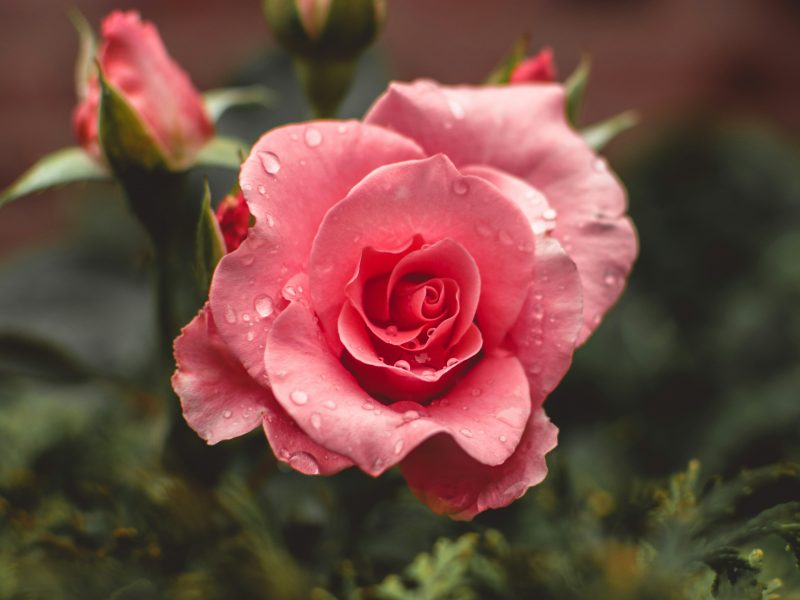
Few flowers have accumulated as much meaning as the rose, yet behind that cultural weight is a plant with a particularly interesting botanical and chemical story. Rosa damascena gives us dried petals, fragrant waters, a distilled essential oil and solvent-extracted materials, each with a different chemical profile and purpose.
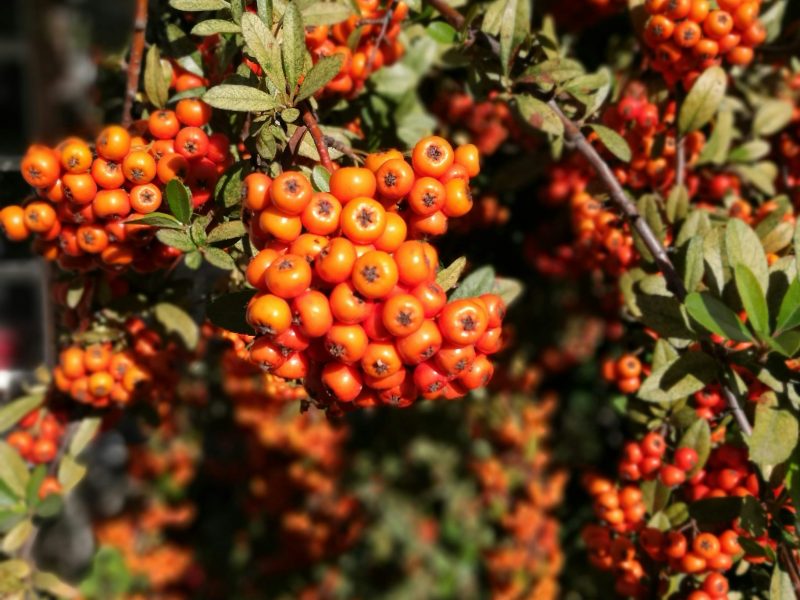
Sea buckthorn (Hippophae rhamnoides L.) is not one ingredient but a family of them. The oil pressed from its seeds and the oil from its fruit pulp differ so much in fatty-acid composition that they are better understood as related but distinct cosmetic materials, a distinction the marketing rarely makes.
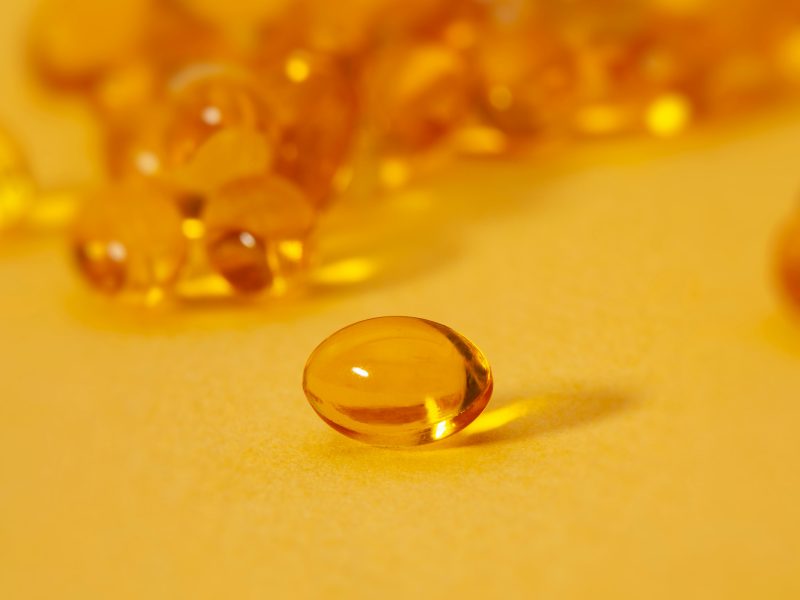
Vitamin E is one of the most familiar ingredients in modern skincare, yet the apparent simplicity of its name conceals an unexpectedly complicated chemistry. It is not a plant, nor one molecule, but a family of fat-soluble compounds whose forms differ in stability, antioxidant behaviour and cosmetic use.