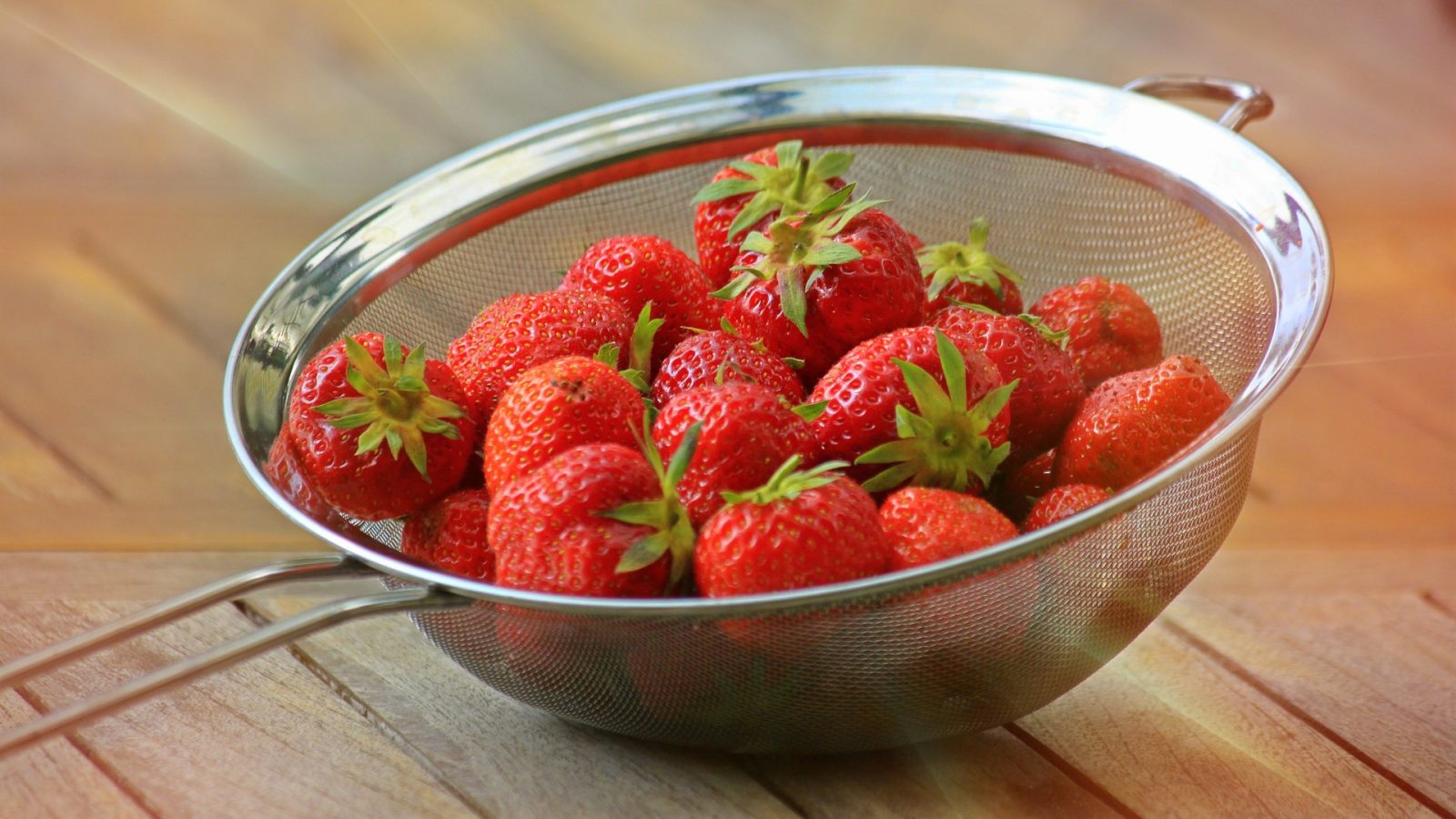
Black pepper’s place in the Botanical Kitchen is a little different from most of the ingredients we cook with here. It is not an unusual botanical discovery; it is already sitting on almost every table. But cracked black pepper over fruit, rather than over meat or a savoury dish, still surprises people the first time they try it, despite being a genuinely old pairing. Strawberries and black pepper have appeared together in cookery writing for a very long time, and the same logic extends nicely to a wider fruit salad. This recipe leans into that pairing deliberately, using pepper as a bright, sharp counterpoint to ripe summer fruit rather than as background seasoning.
Why pepper works with fruit
It seems, at first, like an unlikely combination: pepper belongs to savoury food, fruit belongs to dessert, and the two rarely meet outside a handful of classic pairings. But black pepper is not simply heat. As we discuss in detail in the Black Pepper monograph, its flavour divides into two genuinely separate parts: piperine, the non-volatile alkaloid responsible for pungency, and a completely separate volatile aromatic fraction dominated by sesquiterpenes and monoterpenes, giving fresh cracked pepper a bright, almost citrus-adjacent top note alongside its heat. That aromatic quality is what makes pepper genuinely compatible with ripe fruit rather than simply hot: it can lift and sharpen sweetness in much the same way a squeeze of lime does, while the gentle warmth on the tongue keeps very sweet, very ripe fruit from tasting one-dimensional.
Summer Fruit Salad with Black Pepper, Honey and Lime
Serves
4
Prepare
15 minutes, no cooking
Rest
10 minutes before serving
Ingredients
- 250 g strawberries, hulled and halved or quartered
- 2 ripe peaches or nectarines, stoned and sliced
- 2 ripe plums, stoned and sliced
- 150 g blackberries or blueberries
- Juice and finely grated zest of 1 lime
- 1 to 2 tablespoons runny honey, to taste
- Freshly cracked black pepper, to taste (start with ¼ teaspoon)
- A small handful of fresh mint leaves, torn
- Optional: a little plain yoghurt or mascarpone to serve
Method
-
Prepare the fruit
Combine the strawberries, peaches or nectarines, plums and berries in a large bowl. Use fruit that is properly ripe rather than firm, since this salad depends on natural sweetness and juice rather than added sugar to carry it.
-
Make the dressing
In a small bowl, whisk together the lime juice, lime zest and honey until combined. Taste, and adjust the honey depending on how sweet the fruit already is; very ripe summer fruit may need very little.
-
Add the pepper, gradually
Pour the lime and honey dressing over the fruit and toss very gently to coat, taking care not to break up the softer berries. Crack black pepper directly over the top, starting with a quarter of a teaspoon, toss again, then taste. Add a little more, a few turns at a time, until you can just detect its warmth and brightness without the salad tasting distinctly peppery. This is the one place in the recipe that genuinely benefits from tasting as you go, since fruit sweetness, pepper freshness and personal preference all vary considerably.
-
Rest, then finish
Leave the salad to rest for about ten minutes at room temperature before serving. This short rest allows the lime, honey and pepper to draw out some of the fruit’s own juice, creating a light natural syrup at the bottom of the bowl that is worth spooning over each serving. Scatter the torn mint over just before serving, and add a spoonful of yoghurt or mascarpone alongside if you would like something creamy to balance the fruit.
Choosing and cracking the pepper
Freshly cracked pepper matters considerably more here than in most savoury cooking, because this recipe is deliberately showcasing its aromatic top notes rather than using it purely for background heat. Pre-ground pepper loses much of its volatile fraction relatively quickly once ground, so a pepper mill or a mortar and pestle used just before serving will give a noticeably brighter, more fragrant result than a jar of ready-ground pepper that has been open for months. This is also a good moment to remember the distinction drawn out in the Black Pepper monograph between whole peppercorns and the concentrated CO2 extracts sometimes used in cosmetics and fragrance: for this recipe, we want nothing more sophisticated than an ordinary peppercorn and a decent grinder.
Variations
Melon and black pepper. Replace the stone fruit with wedges of ripe cantaloupe or watermelon and add a very small pinch of flaky sea salt alongside the pepper; the combination of pepper, salt and melon is a classic pairing in its own right.
Black pepper and balsamic strawberries. For a more grown-up, dessert-adjacent version using strawberries alone, replace the lime and honey with a light drizzle of good balsamic vinegar and a little sugar, then finish with cracked pepper as above; serve simply with vanilla ice cream.
Fig and black pepper. Ripe figs, halved or quartered, work beautifully in place of some of the stone fruit later in the season, and pair particularly well with a little runny honey and a few shavings of a hard cheese if serving this as a starter rather than a dessert.
A small pairing with a long history
There is something quite pleasing about ending our exploration of black pepper here, in the kitchen, with the simplest possible use of the plant. Pepper’s extraordinary trading history, covered in full in the Botanical Archives, and its considerably more modest evidence base as a cosmetic ingredient, examined in the monograph, both matter. But so does this: a few twists of black pepper over ripe summer fruit is a genuinely old, genuinely simple pleasure, and it needs no monograph, no clinical trial and no marketing claim to justify itself. It only needs good fruit and a decent pepper mill.
Food safety
Use ripe, properly washed fruit and prepare this salad shortly before serving; dressed fresh fruit salads do not keep well and are best eaten within a few hours. This recipe is a food preparation and is not intended to provide medicinal or therapeutic effects.
Sources and further reading
- Royal Botanic Gardens, Kew. Plants of the World Online: Piper nigrum L. POWO taxon record
- Volatiles of black pepper fruits (Piper nigrum L.). Molecules. PMC6930617