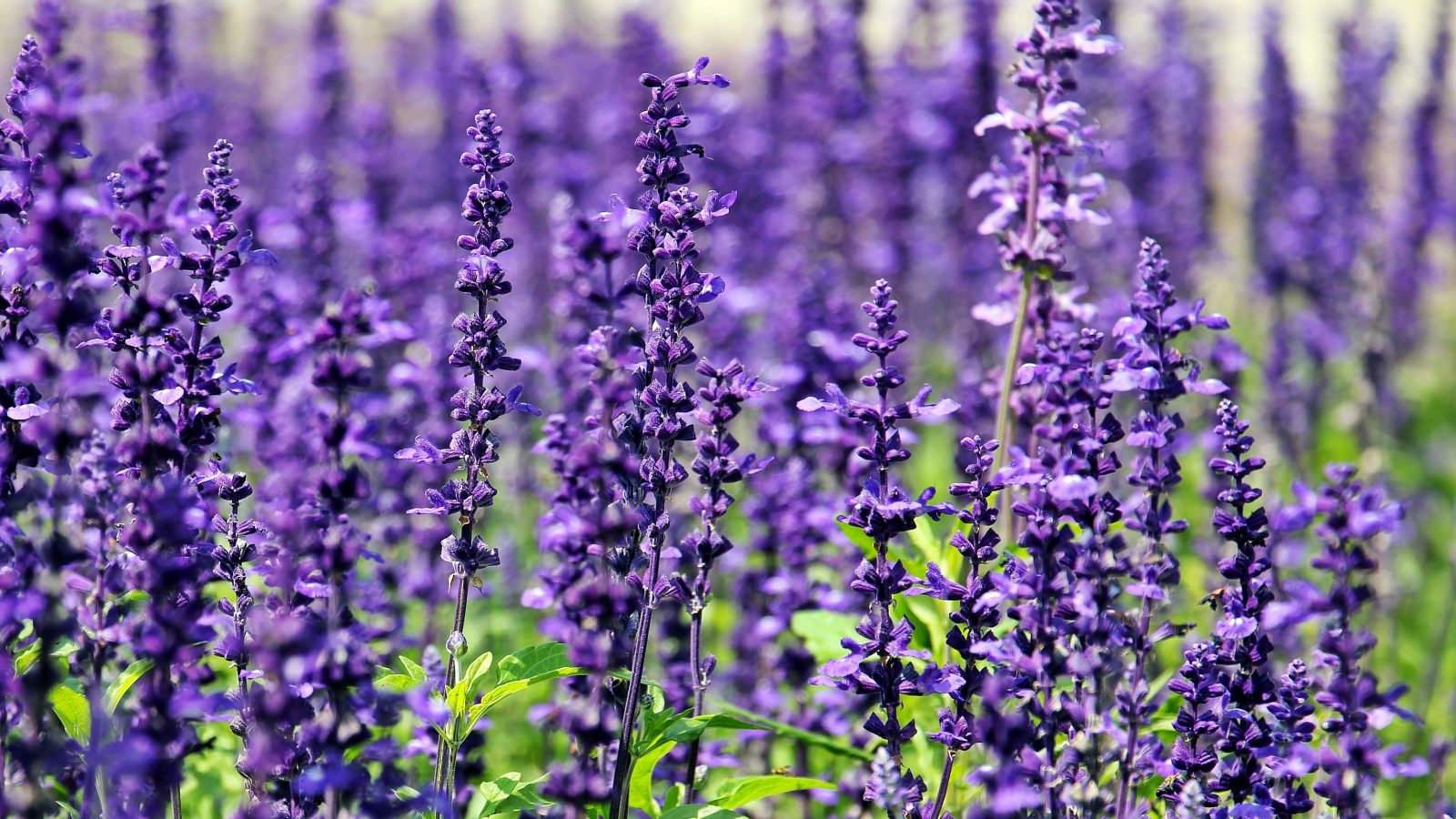
There are some recipes that I have no desire to make healthier, and these lavender and ginger biscuits are one of them. They contain butter, brown sugar and crystallised ginger, and that is precisely what they are supposed to contain: the brown sugar gives the biscuits their deep caramel warmth, the crystallised ginger leaves little pockets of sweetness and heat throughout the crumb, and a restrained amount of culinary lavender adds a floral note that makes them rather more interesting than an ordinary ginger biscuit.
It is easy for conversations about botanical living and wellbeing to become preoccupied with optimisation, in which sugar must be removed, butter substituted and every ingredient expected to justify its presence with a nutritional benefit. There is certainly a place for thinking carefully about what we eat, but there is also a place for food whose principal purpose is simply pleasure. Baking something you love, putting the kettle on and sitting down for ten minutes with a freshly baked biscuit can be part of a good life without needing to be transformed into a functional food.
I particularly like making these as cut-and-bake biscuits. The dough can be rolled into logs and frozen, so there is no requirement to bake an entire batch: when the mood strikes, a frozen log comes out of the freezer, rests for a few minutes until it is just possible to cut, and two, four or six biscuits go into the oven while the tea brews. Fifteen minutes later you have warm homemade biscuits without a tin of thirty sitting on the counter, which feels much closer to sensible wellbeing than trying to remove the butter.
Makes
About 28 to 32
Preparation
About 20 min, plus chilling
Bake
11 to 14 min (1 to 3 more from frozen)
Freezer
Dough logs about 3 months
Why lavender and ginger work together
Lavender can be difficult in baking because enthusiasm is rarely rewarded: used too generously, its camphoraceous and floral compounds overwhelm everything around them, producing the notorious soapy quality that has given culinary lavender an undeservedly difficult reputation. The answer is not to avoid lavender but to treat it as an aromatic ingredient rather than a bulk flavouring. Ginger makes an especially good companion because it occupies a completely different part of the sensory spectrum: lavender brings perfume and a slightly herbal floral character, while ginger brings warmth, sweetness and gentle heat, and brown sugar connects the two with caramel and molasses notes that make the combination feel comforting rather than overtly floral.
Crystallised ginger matters here. Ground ginger alone produces a uniformly spiced biscuit, whereas chopped crystallised ginger creates individual pieces of concentrated sweetness and warmth, so one mouthful might be predominantly buttery and floral while the next catches a piece of ginger and becomes something quite different. The result should still unmistakably be a biscuit; the botanicals are there to make it more interesting.
Ingredients
- 225 g unsalted butter, softened
- 150 g soft light brown sugar
- 50 g caster sugar
- 1 large egg
- 1 tsp vanilla extract
- 300 g plain flour
- ½ tsp baking powder
- ¼ tsp fine sea salt
- 1 to 1½ tsp dried culinary lavender flowers
- 100 g crystallised ginger, finely chopped
Choosing the lavender
Use lavender specifically sold for culinary use, preferably Lavandula angustifolia; lavender intended for ornamental, fragrance or craft purposes should not be assumed suitable for eating. If you have not baked with lavender before, begin with one teaspoon, because it may look like very little distributed through an entire batch of dough but becomes surprisingly assertive when heated. For people who already enjoy its flavour, one and a half teaspoons gives a more obviously floral biscuit, and I would resist going much further: the aim is to notice lavender rather than have the biscuit announce it before you have taken a bite. Before adding the flowers, rub them very lightly between clean fingertips, which releases their aroma without grinding them into a powder and distributing an excessively intense flavour through the dough.
Method
-
Make the butter and sugar base
Place the softened butter, brown sugar and caster sugar in a large bowl and beat them together until smooth, creamy and slightly lighter in texture. You do not need to whip a great deal of air into the mixture, because we are making a compact cut-and-bake biscuit rather than a cake, and too much aeration encourages spreading. The combination of brown and white sugars is deliberate: brown sugar contributes the deeper caramel flavour that works so well with ginger, while a smaller quantity of caster sugar helps produce the crispness that develops around the edge as the biscuit cools.
-
Add the egg and vanilla
Beat in the egg and vanilla until completely incorporated, scraping down the sides of the bowl so that no streaks of unmixed butter remain. Vanilla is not intended to become a prominent flavour; its role is simply to round out the butter, brown sugar and lavender and prevent the floral note from feeling isolated.
-
Prepare the dry ingredients
In a separate bowl, combine the flour, baking powder and salt. Rub the culinary lavender gently between your fingertips as you add it, then stir through the chopped crystallised ginger; coating the sticky pieces with a little of the flour helps prevent them clustering together. Chop the ginger reasonably finely but do not turn it into a paste, because you want visible little pieces remaining in the finished biscuits.
-
Bring the dough together
Add the dry ingredients to the butter mixture and mix gently until no obvious pockets of flour remain and a soft dough has formed, then stop. Continuing to work the mixture after the flour has been incorporated encourages gluten development and can make the biscuits unnecessarily tough; they should have enough structure to hold together when sliced while remaining short and buttery when eaten.
-
Make the logs
Divide the dough roughly in half and place each portion onto a sheet of baking parchment. Using the parchment to help you, roll each portion into a reasonably even cylinder about 4 to 5 cm in diameter, without worrying about geometrical perfection, because a slightly rustic round is far more appealing than wrestling the dough into an engineering specification. Wrap each cylinder tightly and twist the ends. At this point you can either refrigerate the dough for baking later that day or put the logs straight into the freezer for another time.
Baking from chilled
If baking on the same day, refrigerate the dough for at least two hours, until firm enough to slice cleanly, then heat the oven to 180°C conventional, 160°C fan or Gas 4 and line a tray with parchment. Cut the chilled log into rounds about 7 to 8 mm thick and arrange them on the tray with a little room between each, then bake for about 11 to 14 minutes. The exact time depends upon your oven and the thickness of the slices, so judge by appearance rather than the timer alone: the edges should be lightly golden while the centres remain slightly softer than you ultimately want. Leave the biscuits on the hot tray for around five minutes before transferring them to a wire rack, because they continue to set as they cool, and this is also when the flavours settle, the lavender becoming much easier to detect once the biscuit has cooled a little.
Keep a log in the freezer
This is probably my favourite part of the recipe. Once formed, the dough logs can be wrapped tightly in their parchment and placed inside a freezer bag or airtight container, where they keep for around three months, effectively becoming homemade slice-and-bake biscuits waiting for whenever you want them. There is no need to defrost the whole log: take it from the freezer and leave it at room temperature for about 5 to 10 minutes, just until a sharp knife can pass through without the dough shattering, keeping the centre still frozen. Cut as many 7 to 8 mm rounds as you want, return the remaining log to the freezer immediately, and place the frozen rounds directly onto a parchment-lined tray. Bake at 180°C conventional or 160°C fan, allowing roughly 1 to 3 minutes longer than the chilled biscuits while still judging by the edges. If the log cracks when you first try to cut it, do not force the knife; leave it a few more minutes and use a gentle sawing action, which helps with the frozen pieces of crystallised ginger running through the dough. The point is that the dough is baked from frozen, even though the log has a few minutes on the worktop to make slicing practical, and it means you can bake precisely the number you want rather than facing a week-long exercise in resisting the biscuit tin.
With a pot of Norfolk Lavender tea
For me, these biscuits belong with a pot of Norfolk Lavender Tea from The Tea Junction. The pairing works because it lets the lavender run through the whole experience without requiring the biscuits themselves to become excessively floral: you meet the perfume of lavender as the tea is poured, then the buttery caramel character of the biscuit, and then, every so often, one of those sweet, hot pieces of crystallised ginger. I serve them once they have cooled enough to crisp around the edges but are still very slightly warm in the centre, two on a small plate with a proper pot of tea, and the rest of the frozen dough back where it belongs.
A note on the tea
This is not a sponsored recommendation. It is simply the tea I happen to drink, and it pairs beautifully with the biscuits.
A few variations
Once you have made the original, there are several directions the recipe can move without losing its character. For a slightly warmer biscuit, add a quarter teaspoon of ground ginger to the flour, which strengthens the background ginger flavour while leaving the crystallised pieces to provide the more intense bursts of heat. For a brighter spring version, finely grate the zest of half an unwaxed lemon into the butter and sugar, because lemon naturally bridges the floral lavender and spicy ginger, though it produces a noticeably fresher biscuit than the deeper brown-sugar original. You could also roll the finished dough logs very lightly in demerara sugar before chilling for a sparkling, crisp edge. I would not add all three, because part of the charm of these biscuits is their simplicity, and lavender becomes less interesting when surrounded by too many competing flavours.
A treat is still part of wellbeing
There is an understandable temptation, when writing about botanicals and wellbeing, to make every recipe demonstrate nutritional virtue, so that a biscuit containing lavender suddenly acquires improbable claims about relaxation, ginger becomes anti-inflammatory, and ordinary baking is dressed up as medicine. I do not think we need to do that. Lavender and ginger both have fascinating histories, chemistry and traditional uses that deserve to be explored properly elsewhere in the Botanical Library; here, they are ingredients in a biscuit. These biscuits contain sugar and butter, the ginger is crystallised in sugar, and they are not intended to be a nutritionally complete breakfast or a medicinal preparation. They are a treat, and there is room within a thoughtful approach to wellbeing for that distinction, because food contributes to our lives through pleasure, memory, hospitality, anticipation and ritual as well as nutrition. Perhaps the freezer method captures that philosophy particularly well: we do not need an endless supply of biscuits within reach, nor do we need to banish them from the kitchen, but a log of homemade dough tucked away in the freezer. When the afternoon calls for it, cut two slices, put the oven on, make the tea, and enjoy the biscuit for exactly what it is.
Recipe notes
Preparation about 20 minutes, plus chilling. Bake about 11 to 14 minutes from chilled, allowing roughly 1 to 3 minutes extra from frozen. Makes about 28 to 32 biscuits. Dough logs keep in the freezer for about 3 months. More on the plant itself in the Lavender monograph, and more recipes in the Botanical Kitchen.