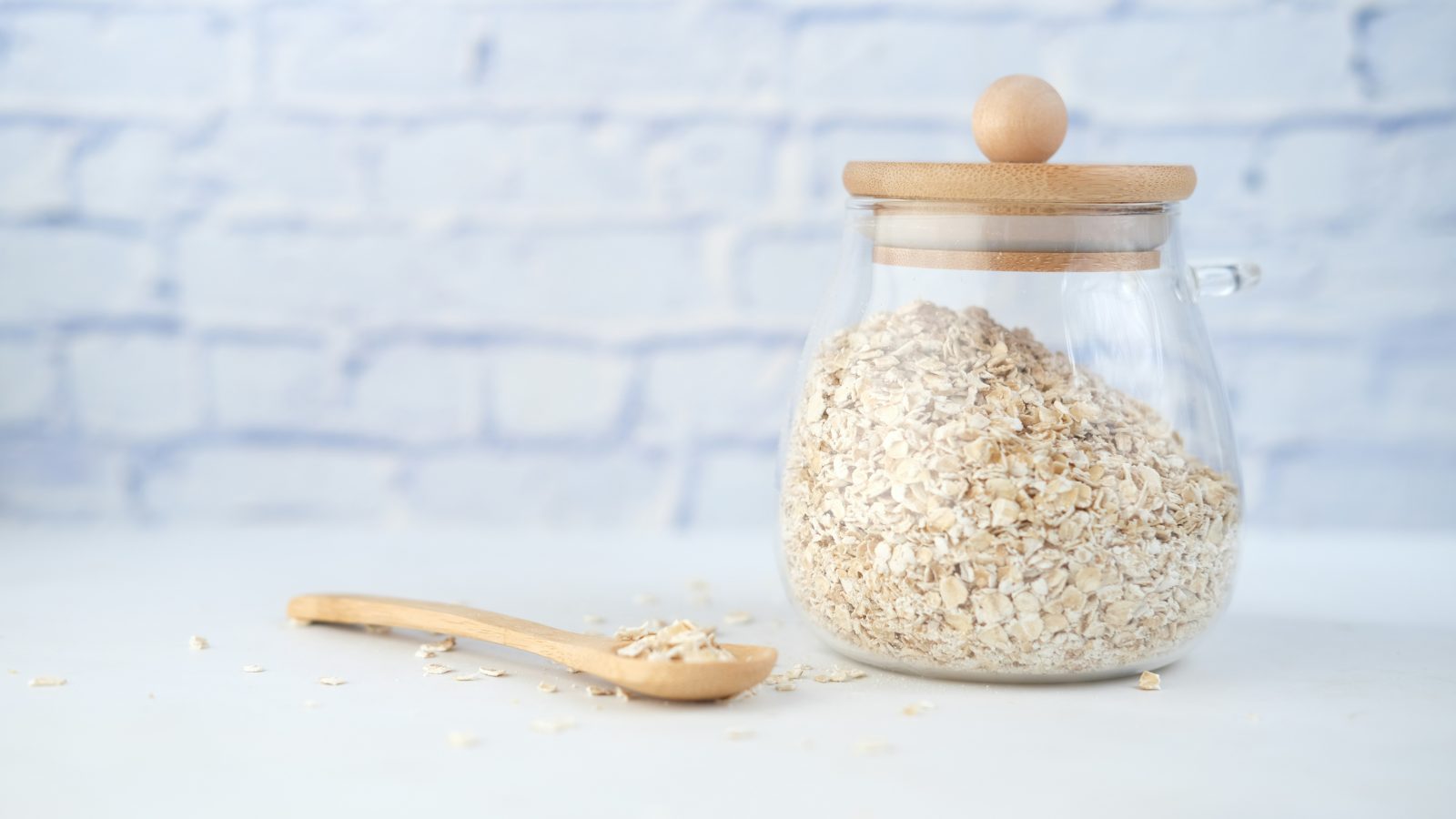
Oats occupy an unusual position in this Library: an everyday kitchen staple that also happens to be one of the very few botanical ingredients with formal regulatory recognition as a skin-soothing active, not merely a folk remedy adopted by modern formulators. That combination, humble origin and genuine official standing, makes oats worth taking seriously rather than treating as a comfort-food ingredient that has wandered into skincare by accident.
At a glance
| Botanical name | Avena sativa L. |
|---|---|
| Common names | Common oat, colloidal oatmeal (processed form) |
| Family | Poaceae (grass family) |
| Native range | Origin debated; likely arose as a secondary crop among wheat and barley in the Near East before spreading through Europe |
| Plant type | Annual cereal grass |
| Principal part used | Grain (kernel), finely milled into colloidal oatmeal for topical use |
| Main ingredient forms | Colloidal oatmeal, oat kernel extract, oat oil, isolated oat beta-glucan |
| Principal constituents | Avenanthramides (unique phenolic alkaloids), beta-glucan, saponins, lipids rich in linoleic acid |
| Traditional uses | Soothing baths and washes for irritated or itchy skin, recorded since antiquity across Europe and the Near East |
| Evidence position | Genuinely strong: FDA-recognised OTC skin protectant status, plus multiple randomised trials for barrier function, itch and atopic dermatitis |
| Principal safety consideration | True oat allergy is rare; the more common practical issue is cross-contamination with wheat, barley or rye during farming and milling, relevant to anyone avoiding gluten |
| Botanical Library | Monograph No. 009 |
Botanical identity
Avena sativa belongs to Poaceae, the grass family, and is an annual cereal grass typically reaching 60 to 150 centimetres, with slender stems, narrow leaves and characteristic drooping, open panicles bearing the grain. Unlike wheat or barley, oats are not thought to have been deliberately domesticated first; the prevailing view is that they began as a weed growing alongside cultivated wheat and barley in the Near East, gradually becoming a crop in its own right as it spread with those cereals into the cooler, wetter growing conditions of northern Europe, where it eventually outperformed them. The exact sequence remains a genuinely debated question in archaeobotany rather than a settled fact.
History and traditional uses
Oats reached northern and western Europe by the Bronze Age and became a dietary staple in regions, Scotland and Scandinavia prominent among them, where the cooler climate suited oats better than wheat. Alongside their culinary role, oats have a long, independently documented history as a topical remedy: ground or crushed oats stirred into bathwater or made into a paste were a recognised treatment for itchy, irritated or inflamed skin in classical and mediaeval European medicine, long before any of the chemistry behind that effect was understood. That continuity, a genuinely old folk practice that modern regulatory bodies later examined and formally endorsed rather than debunked, is unusual in this Library and worth noting directly.
The modern commercial and clinical history is equally worth telling. In 1945, working with dermatologists connected to the Mayo Clinic, brothers Sidney and Albert Musher developed a process for manufacturing a genuinely colloidal, ready-to-use oat suspension, fine and stable enough to stay evenly dispersed in bathwater rather than settling out as crushed oats otherwise would. Their first product, a soothing bath treatment, became the founding formula of the Aveeno brand, and that same manufacturing insight, turning whole oats into a true colloid rather than a coarse powder, is what later allowed colloidal oatmeal to be studied, standardised and eventually formally recognised by the FDA as an active ingredient in its own right, discussed further under regulatory status below.
Ingredient forms
What appears on an ingredient list as “oat” or “oatmeal” covers several genuinely different preparations, and the distinction matters for both formulation and evidence.
Colloidal oatmeal. Whole oat grain milled to a fine powder and typically boiled briefly, producing a stable suspension of the grain’s starches, proteins, lipids, beta-glucan and avenanthramides together, rather than an extract of any single component. This is the specific form recognised by the US Food and Drug Administration as an over-the-counter skin protectant and the form used in the majority of the clinical evidence described below.
Oat kernel extract. A liquid or powdered extract of the grain, typically water- or glycerin-based, used where a formulator wants oats’ soluble actives without colloidal oatmeal’s characteristic texture and opacity.
Oat oil. Cold-pressed or extracted from the grain, a lipid-rich oil used as an emollient carrier oil in its own right, chemically distinct from colloidal oatmeal and closer in formulation role to other carrier oils than to oats’ more famous barrier-soothing reputation.
Oat beta-glucan. A specific polysaccharide isolated from the grain and used as a standalone active, prized for its film-forming, moisture-retaining behaviour on skin, distinct from whole-grain colloidal oatmeal.
Botanical anatomy relevant to processing
The oat grain, or groat, is a caryopsis made up of three main layers, and where in that structure a given compound sits has real, practical implications for which oat-derived ingredient a formulator ends up with. The outer bran layer, removed in some processed forms and retained in others, is disproportionately rich in both avenanthramides and beta-glucan relative to the starchy endosperm that makes up the bulk of the grain by weight, while the germ carries most of the lipid fraction relevant to oat oil. This is part of why “oat bran extract” and “whole oat flour” are not simply more- or less-concentrated versions of the same material, but ingredients with meaningfully different actual compositions, a distinction worth understanding before treating oat-derived ingredients as interchangeable by name alone.
Chemistry
Oats’ skin-relevant chemistry rests on three genuinely distinct groups of compounds acting together, which is part of why the FDA and independent researchers describe colloidal oatmeal’s effect as multi-mechanism rather than attributable to a single active.
Avenanthramides
Avenanthramides are phenolic alkaloids, built from an anthranilic acid unit joined to a hydroxycinnamic acid unit, that occur at meaningful concentration almost uniquely in oats among common cereals; wheat and barley contain only trace amounts by comparison. Total content varies considerably by variety, growing conditions and, critically, by milling fraction, with bran-enriched fractions measured at several hundred micrograms per gram in some analyses, several times the concentration found in whole, unfractionated oats. Three avenanthramides, generally labelled 2f, 2p and 2c in the chemistry literature, account for the great majority of this total, and measured antioxidant capacity differs meaningfully between them, with 2c consistently the most potent of the three across several analyses. These compounds are the ones most directly implicated in oats’ anti-inflammatory and antipruritic (itch-reducing) effects, shown in laboratory and animal work to reduce pro-inflammatory cytokine release by inhibiting NF-κB activation, the same inflammatory signalling pathway implicated in eczema flares more broadly.
Beta-glucan
Beta-glucan is a soluble, linear polysaccharide built predominantly from glucose units joined by a mixture of 1,4 and 1,3 glycosidic linkages, with a typical average molecular weight in the range of one million daltons in its native, unprocessed form, though lower-molecular-weight fragments are also studied and used. At the skin surface, beta-glucan forms a thin, moisture-retentive film contributing directly to oats’ moisturising and barrier-supporting reputation, and laboratory research has identified a specific receptor-level mechanism behind this: beta-glucan engages Dectin-1, a receptor on skin cells, triggering ERK and p38 signalling that upregulates the calcium-sensing receptor and, in turn, promotes recovery of a disrupted epidermal barrier. This is a genuinely more detailed mechanistic picture than “oats are moisturising,” and one that has continued to be refined in more recent research examining beta-glucan’s role in epidermal differentiation and cell-to-cell junction formation specifically.
Saponins and lipids
Oats also contain saponins, mild natural surfactants that explain their traditional use as a gentle cleansing agent in bath preparations long before “surfactant” was a formulator’s term for anything, and a lipid fraction rich in linoleic acid, relevant to oat oil specifically as a standalone carrier oil rather than to colloidal oatmeal’s barrier-supporting reputation.
Evidence for skin
Oats’ topical evidence is unusually well developed for a botanical in this Library, spanning genuine mechanistic research, multiple randomised clinical trials and formal regulatory recognition rather than resting on any single strand alone.
Skin barrier function
Current evidence: ★★★★☆ Combined mechanistic and clinical evidence, genuinely well studied.
A combined laboratory and clinical study found that colloidal oatmeal extracts induced expression of genes governing epidermal differentiation, tight junctions and lipid regulation, provided measurable pH-buffering capacity, and produced recovery of barrier damage in a laboratory model of atopic dermatitis, alongside a clinical arm in healthy adults with dry skin showing measurable improvement in barrier function. This combination, plausible mechanism plus a human clinical result rather than laboratory evidence standing alone, is a genuinely strong evidence profile.
Atopic dermatitis
Current evidence: ★★★★☆ Multiple studies, including a properly randomised, active-controlled trial in children.
A double-blind, randomised, active-controlled trial in ninety children with mild to moderate atopic dermatitis compared an over-the-counter 1% colloidal oatmeal cream directly against a prescription barrier-repair cream over three weeks, assessing eczema severity, investigator global assessment and patient-reported itch. The colloidal oatmeal cream performed comparably to the prescription comparator across these measures, a genuinely useful result for an accessible, non-prescription option. A separate narrative review of colloidal oatmeal formulations in atopic dermatitis more broadly supports this picture, describing consistent symptomatic benefit across the published trial base, while noting, appropriately, that colloidal oatmeal is a supportive and moisturising measure rather than a disease-modifying treatment.
Itch and irritation
Current evidence: ★★★☆☆ Genuine clinical evidence, primarily from industry-funded trials.
A clinical study examining colloidal oatmeal’s anti-inflammatory activity found measurable reductions in markers of skin irritation alongside patient-reported improvement in itch associated with dry, irritated skin, consistent with avenanthramides’ laboratory-demonstrated action against histamine-mediated itch and neurogenic inflammation. As with several ingredients in this Library where industry-affiliated researchers have produced much of the clinical trial base, the results are genuine and methodologically reasonable, but independent replication outside company-sponsored research would strengthen the picture further.
Infant and nappy-area skin
Current evidence: ★★★☆☆ A genuine randomised trial in a particularly vulnerable population.
A randomised trial in ninety preterm neonates in a neonatal intensive care unit compared colloidal oatmeal cream, a plain colloid (cold cream) base and standard NICU care for diaper rash, finding a significantly greater reduction in rash severity by the third and fourth days in the colloidal oatmeal group than in either comparator. Preterm neonatal skin is unusually fragile and closely monitored clinically, which makes a properly randomised trial in this population a genuinely meaningful, if narrow, piece of evidence, and consistent with the broader barrier-support picture described above rather than an isolated or surprising finding.
Evidence beyond the skin
Avenanthramides have also been studied as a dietary compound, consumed as whole oats rather than applied topically, with research examining antioxidant activity and markers relevant to cardiovascular health in adults following regular oat consumption. A systematic review and meta-analysis of randomised controlled trials found oat consumption associated with measurable reductions in several inflammatory markers. This is a real and separately interesting body of evidence, but it concerns eating oats, not applying colloidal oatmeal to skin, and the two should be kept distinct rather than used to imply that dietary benefit strengthens the topical case, or vice versa.
What the evidence does not support
Oats’ genuinely strong regulatory and clinical standing has, inevitably, generated some claims that go further than the evidence actually reaches.
Colloidal oatmeal is not a treatment for the underlying immune dysregulation in atopic dermatitis, and is consistently described in the clinical literature as a supportive, symptom-relieving and barrier-supporting measure used alongside, not instead of, medically directed eczema treatment where that is needed.
The FDA’s skin protectant recognition applies specifically to colloidal oatmeal at defined concentrations for temporary relief of minor skin irritation and itching; it is a real regulatory endorsement, but a narrower and more specific one than “oats are FDA-approved for skincare” suggests as a blanket claim.
Safety, contraindications and regulatory considerations
Oats have a strong topical safety record and are widely regarded as one of the more gentle, better-tolerated botanicals available, which is a meaningful part of why colloidal oatmeal earned formal OTC skin protectant status in the first place. Genuine oat allergy exists but is uncommon.
The more practically relevant consideration is gluten. Oats are not botanically a gluten-containing grain in the way wheat, barley and rye are, but they are very commonly grown, transported and milled using the same equipment as those grains, resulting in routine cross-contamination. For anyone with coeliac disease or a diagnosed gluten sensitivity, this is a genuine consideration for ingested oats, and “gluten-free certified” oat sourcing, grown and processed separately from gluten-containing cereals, exists specifically to address it; for topical use the practical risk is generally considered much lower than ingestion, but formulators working with a gluten-avoidant customer base should still know, and ideally disclose, which sourcing standard a given oat ingredient meets.
Where genuine oat reactions do occur, dermatology literature distinguishes two mechanistically different phenomena worth telling apart rather than lumping together as “oat allergy.” Non-immunologic contact urticaria, a direct irritant response with no immune sensitisation involved, is the more common and generally milder pattern. True immunologic contact urticaria, an IgE-mediated response to specific oat proteins, avenin chief among them, is less common but can be more significant, and a documented case series specifically implicated a low molecular weight, salt-soluble oat protein as the causative allergen, with reactivity to raw but not heat-treated oat flour in prick testing, an interesting detail suggesting processing can meaningfully affect allergenicity. Oat and wheat have both been specifically studied as contact allergens in personal care products; the practical takeaway for a formulator is that a standard patch test remains the right precaution before wider use, exactly as for any other botanical in this Library, rather than assuming oats’ generally excellent tolerability makes testing unnecessary.
Sustainability, cultivation and supply chain
Oats are, agronomically, one of the more favourable cereal crops in this Library from a sustainability standpoint: they generally require lower nitrogen fertiliser input than wheat, tolerate cooler and wetter conditions well, and are frequently grown as a break crop, planted between other cereals specifically to interrupt disease and pest cycles and improve soil health, rather than farmed as a monoculture in the way some higher-value crops are. Major producing countries include Russia, Canada, Poland and Australia, and, unlike several botanicals in this Library sourced from smallholder tropical agriculture, oats sit within an established, large-scale temperate grain supply chain with correspondingly mature quality and traceability infrastructure.
Cosmetic formulation
Colloidal oatmeal’s formulation role is shaped by its physical behaviour as a fine suspension rather than a true solution: it is widely used in bath soaks, cleansing bars and washes, and leave-on creams and lotions aimed at dry, sensitive or eczema-prone skin, where its combination of gentle cleansing, film-forming moisture retention and anti-inflammatory action does genuine, multi-mechanism work rather than acting as a single-note active. Oat beta-glucan, isolated from the whole grain, appears increasingly as a standalone active in barrier-repair serums and moisturisers where a lighter, non-opaque texture is wanted. Oat oil, chemically distinct from colloidal oatmeal, is formulated more like a conventional carrier oil, an emollient lipid rather than a barrier-active in its own right.
A practical formulation note follows directly from the Aveeno history above: true colloidal oatmeal, fine and stable enough to stay suspended rather than settling to the bottom of a bath or bottle, requires a genuine milling and processing step, not simply crushing rolled oats. A formulator sourcing colloidal oatmeal as a raw material should confirm it meets pharmacopoeial particle-size specifications for colloidal grade, rather than assuming any finely ground oat product qualifies, since the film-forming and suspension behaviour described above depends on that processing standard being met.
Regulatory status, standards and quality assurance
In the United States, colloidal oatmeal is recognised under the FDA’s OTC skin protectant monograph, 21 CFR Part 347, as an approved active ingredient at a minimum concentration of 0.007 percent (0.003 percent when combined with mineral oil), with permitted labelling limited to temporary relief of minor skin irritation and itching from conditions such as rashes, eczema and insect bites. Within the European Union, cosmetics containing oat-derived ingredients are governed by Regulation (EC) No 1223/2009, requiring a documented safety assessment and compliance with Good Manufacturing Practice under standards such as ISO 22716. The US Cosmetic Ingredient Review Expert Panel has separately assessed a wide range of Avena sativa-derived cosmetic ingredients and concluded the great majority are safe for use in current cosmetic practices when formulated to be non-sensitising, a genuinely thorough independent safety review by cosmetic-ingredient standards.
Where I think oats fits
Oats are, honestly, one of the easier ingredients in this Library to recommend without much hedging. The combination of a genuinely old traditional use, a coherent, multi-mechanism chemical explanation for why that traditional use actually works, formal regulatory recognition rather than mere folk reputation, and several properly randomised clinical trials rather than laboratory evidence alone, is a stronger evidence profile than most of the botanicals covered here, including several with considerably louder wellness-marketing reputations.
Would I formulate with it? Readily, particularly for anyone with dry, sensitive or compromised skin, or a diagnosed eczema tendency, where colloidal oatmeal’s supportive, barrier-strengthening role is genuinely well earned rather than aspirational. The one honest caveat is gluten sourcing for anyone avoiding it strictly, worth checking rather than assuming, and the broader reminder that a soothing bath additive is a supportive measure alongside proper medical care for genuine eczema, not a replacement for it.
Continue exploring
Botanical Archives · No. 009
Oats, the Grain Nobody Agreed About
From Samuel Johnson’s insult to Quaker Oats to Mayo Clinic dermatologists: how the same grain earned two entirely separate reputations.
Botanical Rituals · No. 009
The Quiet Bath
An oat milk bath soak, kept deliberately close to the same simple form used in the clinical evidence above.
Botanicals Kitchen
Oat and Honey Flapjacks
The same grain, in the kitchen rather than the bathroom.
Journal · The Study
Understanding OTC Skin Protectants
What “FDA recognised” actually means for colloidal oatmeal, and why so few botanicals can claim it.
Journal · Skincare
The Skin Barrier: What It Is, How It Works
Oats’ barrier-supporting evidence, in the wider context of how the skin barrier actually functions and what genuinely helps it.
Disclaimer
The information contained within this monograph is provided solely for educational and informational purposes. Every effort has been made to ensure that the scientific information reflects the published evidence available at the time of writing, but botanical and cosmetic science continue to evolve. Nothing here should be interpreted as medical advice or a recommendation to diagnose, treat, cure or prevent any disease, including atopic dermatitis, which should be properly assessed and managed by a qualified healthcare professional. Colloidal oatmeal’s FDA skin protectant status applies to specific, defined formulations and concentrations and should not be read as a blanket endorsement of every oat-containing cosmetic product. Individuals with a known oat allergy, coeliac disease or gluten sensitivity should check sourcing carefully and patch-test new products, and anyone with a diagnosed skin condition, or who is pregnant, breastfeeding or treating young children, should seek qualified advice before beginning a new topical routine.
References
The references below represent principal scientific and authoritative sources consulted during preparation of this monograph. Preference has been given to peer-reviewed research, comprehensive reviews, recognised botanical authorities and official regulatory or standards organisations.
Botanical taxonomy
- Royal Botanic Gardens, Kew. Plants of the World Online: Avena sativa L. POWO taxon record
History
- Aveeno. Brand heritage: origins in colloidal oatmeal research with Mayo Clinic dermatologists, 1945. Aveeno heritage
Chemistry and mechanism
- Sur, R. et al. Biological Activities, Health Benefits, and Therapeutic Properties of Avenanthramides: From Skin Protection to Prevention and Treatment of Cerebrovascular Diseases. PMC6126071
- Hitayezu, R., Baakdah, M.M., Kinnin, J., Henderson, K. & Tsopmo, A. (2015). Antioxidant activity, avenanthramide and phenolic acid contents of oat milling fractions. Journal of Cereal Science, 63, 35-40.
- Gao, S., Hu, Z. & Xu, N. (2021). Oat β-glucan ameliorates epidermal barrier disruption by upregulating the expression of CaSR through dectin-1-mediated ERK and p38 signaling pathways. International Journal of Biological Macromolecules, 185. PMID 34237364
Evidence for skin
- Ilnytska, O., Kaur, S., Chon, S., Reynertson, K.A., Nebus, J., Garay, M. et al. (2016). Colloidal oatmeal (Avena sativa) improves skin barrier through multi-therapy activity. Journal of Drugs in Dermatology, 15(6), 684-690. PMID 27272074
- Reynertson, K.A. et al. (2015). Anti-inflammatory activities of colloidal oatmeal (Avena sativa) contribute to the effectiveness of oats in treatment of itch associated with dry, irritated skin. Journal of Drugs in Dermatology, 14(1), 43-48.
- Fowler, J.F. Jr. (2014). Colloidal oatmeal formulations and the treatment of atopic dermatitis. Journal of Drugs in Dermatology, 13(10), 1180-1183.
- Lisante, T.A., Nuñez, C. & Zhang, P. (2017). Efficacy and safety of an over-the-counter 1% colloidal oatmeal cream in the management of mild to moderate atopic dermatitis in children: a double-blind, randomized, active-controlled study. Journal of Dermatological Treatment, 28(7), 659-667. doi:10.1080/09546634.2017.1303569
- Saleh, S.E.S., Ismail, E.M.A.E.S., Fathy, H.M. & Abohadida, R.M. (2024). The effect of colloid oatmeal compared to colloid cream on diaper rash among preterm neonates in the neonatal intensive care unit. Journal of Neonatal Nursing. ClinicalTrials.gov NCT05892081
Evidence beyond the skin
- Effects of Oats (Avena sativa L.) on Inflammation: A Systematic Review and Meta-Analysis of Randomized Controlled Trials. PMC8429797
Safety
- Pootongkam, S. & Nedorost, S. (2013). Oat and Wheat as Contact Allergens in Personal Care Products. Dermatitis. doi:10.1097/DER.0b013e3182a745f8
- Bizjak, M. et al. (2025). Contact Urticaria and Related Conditions: Clinical Review. Contact Dermatitis. PMC12223959
Regulation and quality
- 21 CFR Part 347.10, Skin protectant active ingredients (colloidal oatmeal). eCFR
- Regulation (EC) No 1223/2009 on cosmetic products (consolidated version). EUR-Lex
- Cosmetic Ingredient Review Expert Panel (2014). Safety Assessment of Avena sativa (Oat)-Derived Ingredients as Used in Cosmetics. CIR final report (PDF)
Further reading
- The clearest evidence of formal recognition. The FDA’s own skin protectant monograph sets out exactly what colloidal oatmeal is approved to claim, and at what concentration. Read the regulation →
- The strongest paediatric trial. The Lisante et al. randomised trial in children remains the most clinically direct comparison of an OTC colloidal oatmeal cream against a prescription alternative. Read the record →