There is a particular kind of ache that arrives the evening after a hard session at the gym, a long run or a day spent doing something physical the body was not quite used to. This ritual is built around a warm self-massage oil, black pepper blended with cinnamon and ginger, designed for exactly that moment.
Warming spice blends have a long history in massage and body care, and black pepper’s own trading history, explored in full in the Botanical Archives, sits alongside a much simpler, more physical reputation: it is warm on the skin, warm in a blend, and pleasant worked into tired muscle after exercise. As we set out in detail in the Black Pepper monograph, that warming sensation is real and well explained mechanistically, but current evidence does not establish that it does anything beyond feeling pleasant, and this ritual makes no claim beyond that. It is not a treatment for injury, and it is not a substitute for appropriate rest, hydration or medical assessment of a genuine sports injury. It is simply a good excuse to slow down at the end of a demanding day.
Why warmth feels good on tired muscle
Ordinary post-exercise muscle soreness, the kind that appears a day or so after unfamiliar or particularly intense activity, is generally a normal and temporary response to physical exertion rather than an injury requiring treatment. A warm massage cannot undo that underlying process, but warmth applied to skin and superficial tissue, together with the physical action of massage itself, can feel genuinely comforting, encouraging a sense of ease in muscles that have been working hard. That is a real, worthwhile sensory benefit, and it does not require inflating it into a bigger physiological claim than the evidence supports.
The blend
This is a warming body oil built around three spices, used at levels appropriate for a leave-on product applied across a reasonably large area of skin, not a concentrated therapeutic preparation.
- 50 ml carrier oil (sweet almond, grapeseed or a light sunflower oil all work well)
- 4 drops black pepper essential oil
- 2 drops ginger essential oil
- 1 drop cinnamon leaf essential oil (never cinnamon bark, see safety note below)
Combine the carrier oil and essential oils in a small dark glass bottle, cap it and roll gently between the palms to mix; there is no need to shake vigorously. This produces a blend at roughly one per cent total essential oil concentration, appropriate for a whole-body massage oil used occasionally rather than daily. Ginger is included deliberately alongside black pepper: both are warming spices with a long shared history in traditional preparations, including the classical Ayurvedic combination of black pepper and ginger discussed in the monograph, and ginger’s brighter, slightly citrus-green top note keeps the blend from becoming one-dimensional. Both oils are already familiar from our autumn essential oil collection, where black pepper appears alongside cedarwood and citrus; this ritual simply gives it a different, more functional job to do.
A necessary word about cinnamon
Cinnamon deserves particular respect in this blend. Cinnamon bark oil is one of the more strongly sensitising essential oils in common use, owing to its high cinnamaldehyde content, and should not be used in a leave-on skin preparation at the concentrations found in most retail bottles. Cinnamon leaf oil is a different, gentler material, dominated by eugenol rather than cinnamaldehyde, but eugenol is itself a recognised skin sensitiser, and cinnamon leaf oil still requires genuinely careful dilution in anything applied to skin and left on. This blend uses only a single drop of cinnamon leaf oil in 50 ml of carrier, deliberately keeping it as the smallest component rather than a leading note. If your skin is sensitive, or if this is the first time you have used cinnamon oil on skin, leave it out entirely; black pepper and ginger alone still make a perfectly good warming blend. Always patch test a small area of skin, ideally the inner forearm, at least 24 hours before wider use, and never use this blend on broken, irritated or recently shaved skin.
The ritual, step by step
Time it right
This is an after ritual, not a during. Give the body at least twenty to thirty minutes after finishing exercise, ideally after a shower, so the skin is clean, warm and dry rather than still flushed and overheated. A warming oil applied to skin that is already very hot from intense activity can feel more uncomfortable than soothing, so let the body settle first.
Warm the oil
Pour a small amount, roughly a teaspoon per area being treated, into your palms and rub your hands together briefly. This warms the oil slightly and begins the process of massage before the oil has even touched the muscle, which makes the whole experience feel more deliberate than simply smearing on a product.
Work from the outside in
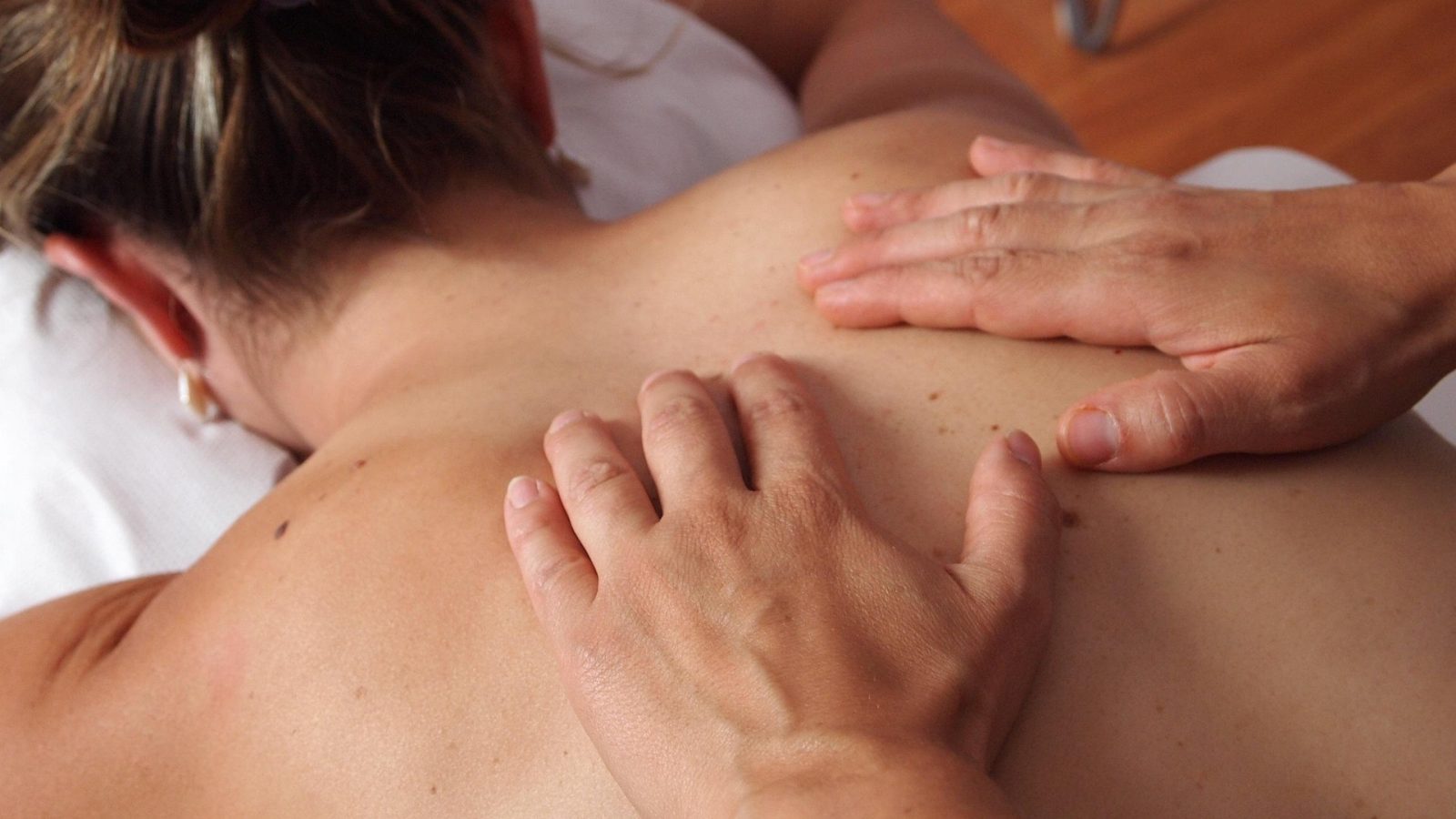
Begin at whichever area feels most fatigued, commonly calves, thighs, shoulders or the lower back, and use firm, slow strokes moving generally towards the heart, rather than sharp or rapid movements. There is no need for special technique or training; simple kneading, long gliding strokes with the flat of the hand, and gentle circular pressure with the thumbs around particularly tight areas are all perfectly adequate. Spend a little longer wherever the muscle genuinely feels tense, but stop immediately if any area feels sharply painful rather than simply tired, since sharp pain is a signal to rest and seek appropriate assessment, not a signal to massage harder.
Give it a few minutes
Once the oil has been worked in, allow a few minutes before dressing, ideally lying down somewhere warm and comfortable. This is where the sensory warmth of the blend is most noticeable, and it is a good moment to simply rest rather than immediately returning to activity.
Setting the scene
A blend this simple deserves a setting that matches it. We have written a companion piece, How to Create an Inviting Massage Space at Home, covering the practical details, temperature, lighting, towels, surface, that turn a five-minute self-massage into something that actually feels like a ritual rather than an item on a post-workout checklist.
What this ritual is not
This is a comfort-focused, sensory ritual, not a treatment for sports injury. Persistent, sharp, worsening or highly localised pain, swelling, bruising, restricted movement or pain associated with a specific injury during exercise all require appropriate assessment by a qualified professional rather than a warming oil. Nothing in black pepper’s chemistry, discussed at length in the monograph and in our companion article on piperine’s real and exaggerated effects, supports treating this blend as a therapeutic intervention for injury, inflammation or chronic pain. Ordinary, expected muscle fatigue after exercise is the appropriate context for this ritual. Anything beyond that belongs with a healthcare professional.
Continue exploring
Botanical Library · Monograph No. 006
Black Pepper, Piper nigrum
The complete ingredient monograph, including chemistry, safety and the evidence for skin.
Journal · Living Well
How to Create an Inviting Massage Space at Home
The practical, low-effort details that make a home massage feel considered rather than rushed.
Journal · Living Well
What Climbing Has Taught Me About Getting Older
A personal, honest look at why this ritual has earned a place in an evening recovery routine, and why it isn’t repairing muscle tissue any faster.
Journal · Living Well
Does Ginger Actually Help Sore Muscles?
The genuinely encouraging oral evidence for ginger and muscle pain, and why it doesn’t automatically apply to this massage oil.
Safety note
This blend is intended for occasional cosmetic use on ordinary, healthy skin following unremarkable post-exercise muscle fatigue. Always dilute essential oils in a suitable carrier oil before skin contact; never apply cinnamon bark oil to skin, and use cinnamon leaf oil only in small, well-diluted quantities as described above. Patch test at least 24 hours before first use. Do not use on broken, irritated, sunburnt or recently shaved skin, around the eyes, or on infants or young children. Avoid concentrated spice-oil blends during pregnancy without professional guidance. This ritual is not a treatment for injury, chronic pain or medical conditions, and persistent or worsening symptoms should be assessed by an appropriate healthcare professional.