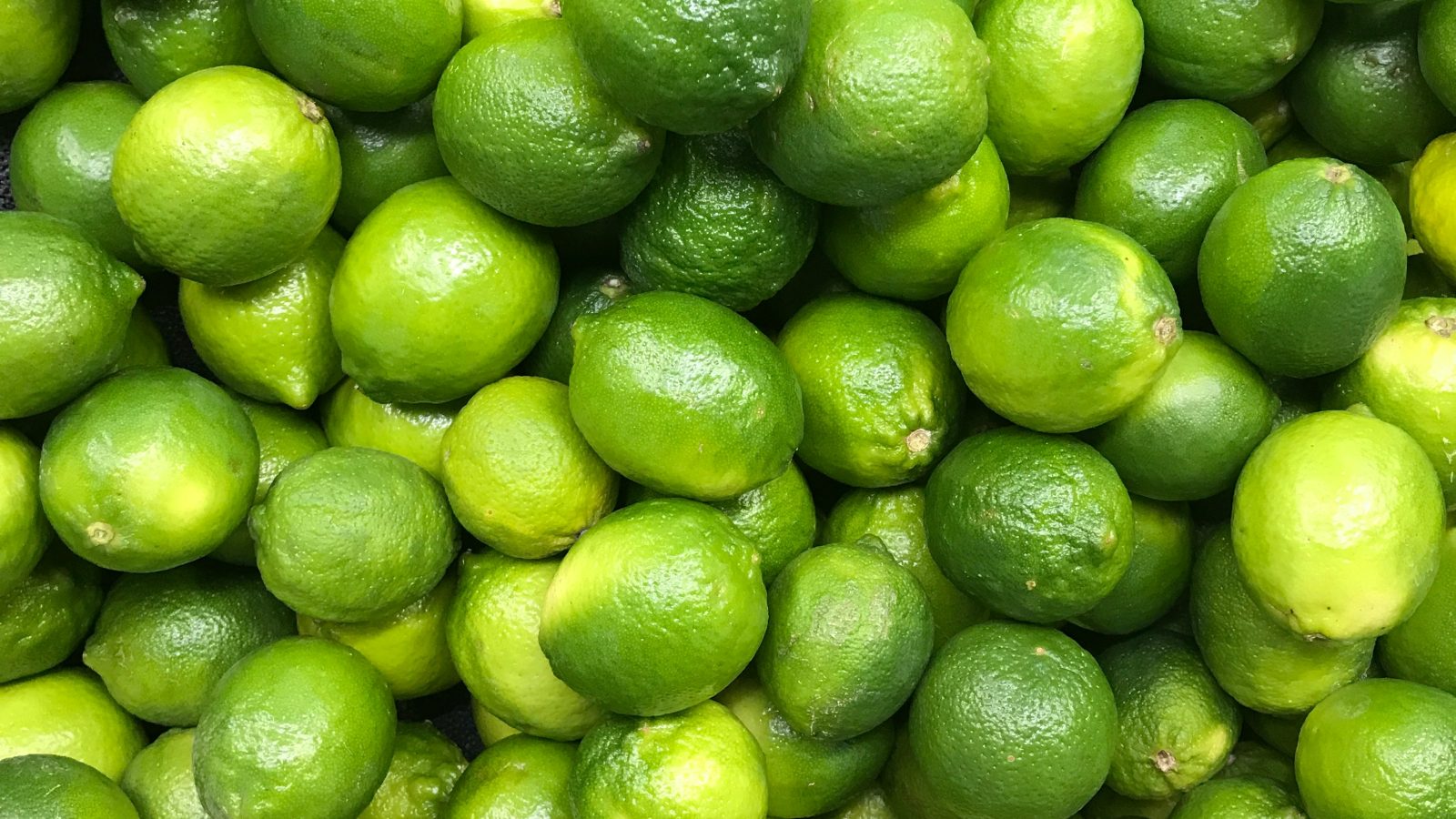
Phototoxicity is one of the more genuinely important, and most frequently glossed-over, safety topics in home aromatherapy and DIY skincare. It is also, once the underlying chemistry is understood, one of the more manageable ones: a small, identifiable group of essential oils, and a single processing choice that changes their risk almost entirely.
What phototoxicity actually is
Phototoxic reactions are not an allergy in the conventional sense. They occur when a chemical compound sitting on the skin absorbs UV light and, in doing so, triggers localised tissue damage, producing a reaction that looks and often feels like an exaggerated sunburn, sometimes with blistering, confined specifically to the area where the substance made contact. No prior sensitisation is required, unlike a true allergic reaction; anyone can react, given enough of the compound and enough sun exposure, which is part of why the mechanism catches so many people by surprise the first time.
The compounds responsible
The relevant compounds are furocoumarins, a family of naturally occurring plant chemicals, bergapten (5-methoxypsoralen) chief among them, found at meaningful concentration in the peel of several citrus fruits. Lime, discussed in full in our Lime monograph, is one of the more commonly cited examples, but it is not alone; bergamot is, if anything, more frequently implicated in reported phototoxic reactions, and lemon, bitter orange and grapefruit peel oils all carry the same underlying chemistry to varying degrees. This is a citrus-family issue in general, not a lime-specific quirk.
The one processing decision that changes everything
Here is the genuinely useful part: furocoumarins are heavy, non-volatile compounds, which means they do not carry over into steam distillation the way the lighter, more volatile aromatic compounds do. Expressed, or cold-pressed, citrus oils, produced by mechanically pressing the fresh peel, retain the full furocoumarin content naturally present there. Steam-distilled citrus oils, produced by distilling crushed peel or whole fruit, leave the great majority of that furocoumarin fraction behind in the still. The practical result: distilled citrus oils are, as a category, considered non-phototoxic or very substantially reduced in phototoxic risk, while expressed citrus oils from the same fruit genuinely are not. The plant has not changed. The processing method has.
How the industry actually manages this
This is not a fringe concern managed informally; the International Fragrance Association maintains a specific standard, IFRA Standard 089, governing furocoumarin-containing citrus oils, capping bergapten at 15 parts per million in leave-on products applied to skin that will see UV exposure. Bergamot is treated as a special case with its own limit, reflecting how frequently it appears in fine fragrance. A properly formulated commercial product using expressed citrus oils will typically either use a “furocoumarin-free” or “FCF” version, processed specifically to remove this fraction while the oil is otherwise unchanged, or dilute the expressed oil enough to stay under the regulatory limit; a home aromatherapy user working with undiluted essential oils has neither safeguard automatically applied and needs to make the same decision manually.
What this means practically
For any leave-on skin or body product, the safer, simpler choice is a steam-distilled citrus oil, or an expressed oil specifically labelled furocoumarin-free, rather than assuming any citrus oil is interchangeable. For rinse-off products, fragrance applications with no lasting skin contact, or inhalation-only uses such as diffusers and, as it happens, the shower steamer accompanying our Lime monograph, the distinction matters considerably less, since the mechanism requires the compound to remain on skin that is then exposed to sunlight. Reading a supplier’s specification sheet for extraction method, not just botanical name, is worth the extra minute it takes, and applies well beyond lime to the whole citrus category discussed further in our Carrier Oils guide.
References
- International Fragrance Association. IFRA Standard 089: Citrus Oils and Other Furocoumarins Containing Essential Oils. IFRA standard (PDF)
- Cosmetic Ingredient Review Expert Panel. Safety Assessment of Citrus-Derived Peel Oils as Used in Cosmetics. CIR report (PDF)