Vitamin E presents an interesting problem for the Botanical Kitchen because, unlike lavender, rose or sea buckthorn, it is not a plant. There is no vitamin E shrub to harvest and no culinary tradition built around a vitamin that was not identified until the twentieth century, so trying to force it into the same format as our botanical ingredients would produce something rather artificial. The kitchen gives us an opportunity to approach it from the opposite direction: instead of adding isolated vitamin E to food, we can look at the ingredients from which it naturally enters the diet and make something genuinely enjoyable with them.
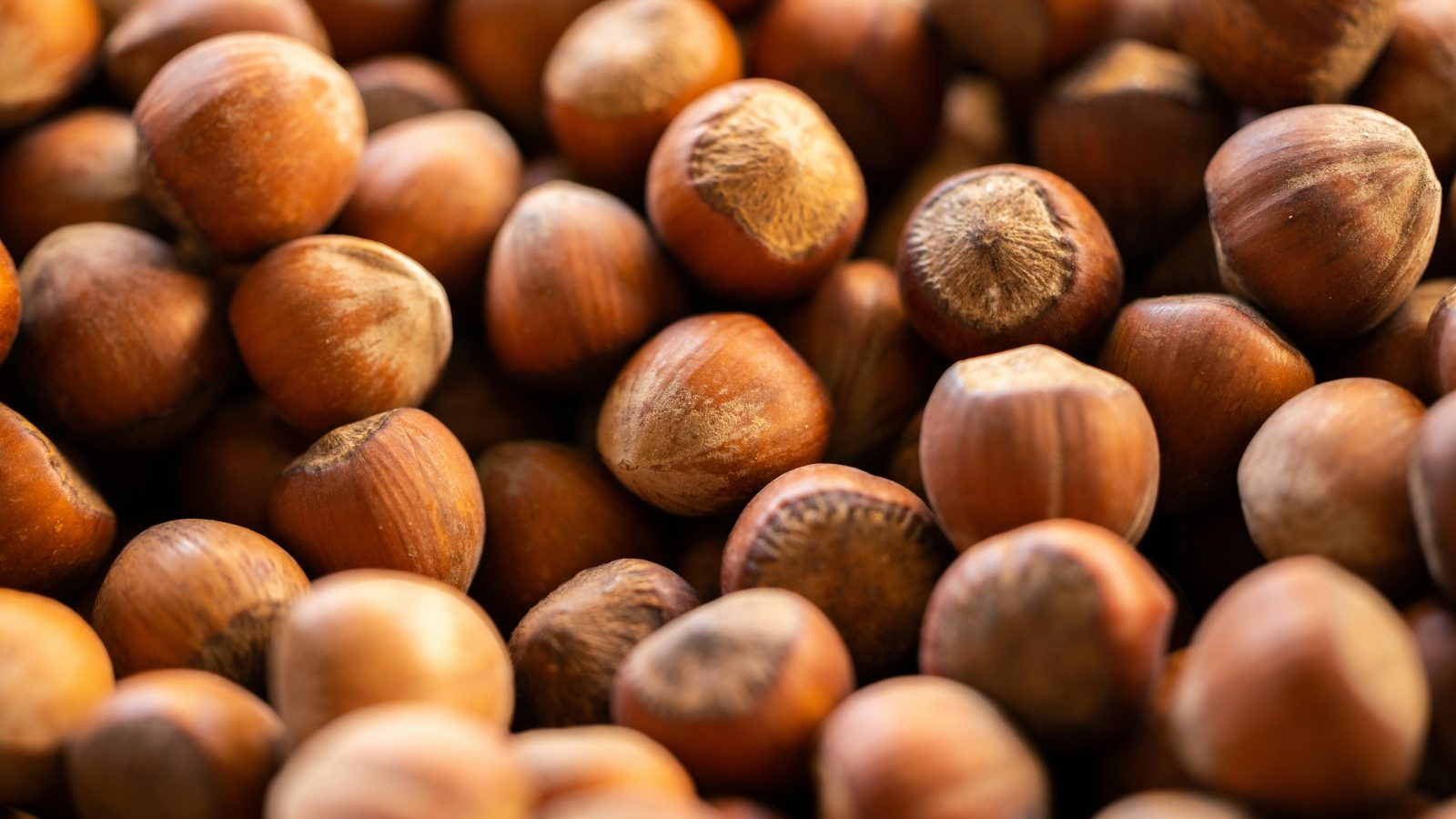
Almonds, hazelnuts and sunflower seeds are particularly useful here, and they happen to make excellent granola. The nuts provide richness and crunch, sunflower seeds give another layer of texture, rolled oats provide the bulk, and dark chocolate turns the finished mixture into something I actually look forward to eating rather than something constructed principally because its ingredients look virtuous on paper. This is not a vitamin supplement disguised as breakfast, and I would strongly resist presenting it as one, because the quantity of naturally occurring vitamin E will vary with ingredients, variety, storage and processing, and nobody needs to calculate their breakfast to the nearest milligram in order to enjoy it. The nutritional science belongs in our Vitamin E monograph; this is simply one way of bringing some of the foods that naturally contain tocopherols into the kitchen.
Makes
10 to 12 servings
Bake
30 to 40 min at 160°C (140°C fan)
Keeps
2 to 3 weeks, airtight
Ingredients
- 300 g jumbo rolled oats
- 100 g whole almonds, roughly chopped
- 100 g hazelnuts, roughly chopped
- 75 g sunflower seeds
- 50 g pumpkin seeds
- ½ tsp ground cinnamon
- ¼ tsp fine sea salt
- 75 ml maple syrup or runny honey
- 60 ml neutral vegetable oil
- 1 tsp vanilla extract
- 100 g good dark chocolate, roughly chopped
Method
-
Combine dry, then wet
Heat the oven to 160°C conventional or 140°C fan and line a large baking tray with parchment. Combine the oats, almonds, hazelnuts, sunflower seeds, pumpkin seeds, cinnamon and salt in a large bowl, taking a moment to distribute the nuts properly rather than letting them collect at the bottom. In a separate jug, combine the maple syrup or honey with the oil and vanilla, then pour it over the dry ingredients and stir thoroughly until everything is lightly and evenly coated. The mixture should look glossy rather than wet, because we want enough coating to encourage browning and clusters without turning the granola into a tray of syrup.
-
Bake
Spread everything over the tray in an even layer and bake for about 30 to 40 minutes, checking regularly towards the end. Stir once or twice during baking if you prefer a loose granola, or press it gently back into an even layer after the first stir if you enjoy larger clusters. Remove the tray when the oats are golden and the nuts smell properly toasted, remembering that granola crisps as it cools, so do not keep baking it simply because it still feels slightly soft while hot.
-
Cool, then add the chocolate
Allow the granola to cool completely before adding the chopped dark chocolate, because adding it while warm produces something entirely different, if not necessarily unpleasant. Once cool, break up any large clusters and stir through the chocolate.
Why the chocolate stays
It would be very easy to make this recipe more conspicuously worthy by removing the dark chocolate, and I do not particularly want to. A small amount of good dark chocolate scattered through toasted hazelnuts, almonds and oats makes the granola considerably more pleasurable, and pleasure is a perfectly legitimate characteristic for breakfast to possess; if you dislike chocolate in granola, leave it out, and if you like it, there is no need to construct a nutritional defence for keeping it. The same principle applies to sweetness: this recipe is considerably less sweet than many commercial granolas, but it still contains honey or maple syrup because caramelisation and sweetness are part of what makes granola taste like granola. The Botanical Kitchen should leave room for common sense.
Serving and keeping
I like this with thick natural yoghurt and fresh berries, though milk, kefir or a plant-based alternative all work. A spoonful of the sea buckthorn and orange compote is excellent here, its acidity cutting through the nuts and chocolate and creating a natural link between two Botanical Kitchen recipes. Once completely cold, keep the granola airtight at room temperature, where it stays crisp for about two to three weeks depending on humidity.
Food before function
Vitamin E is an important nutrient, but reducing almonds or hazelnuts to the vitamin they contain would be a rather joyless way of thinking about food. They bring flavour, texture, fat, protein and a long culinary history alongside their micronutrients, and none of those qualities needs to be subordinate to a wellness claim. That is the distinction I want the Botanical Kitchen to preserve: we can understand the science of what food contains while still cooking primarily because eating should be pleasurable. There are more recipes in that spirit in the Botanical Kitchen.